design
robotics
It was literally life-changing. It removed this problem that I'd been struggling with for so long.”
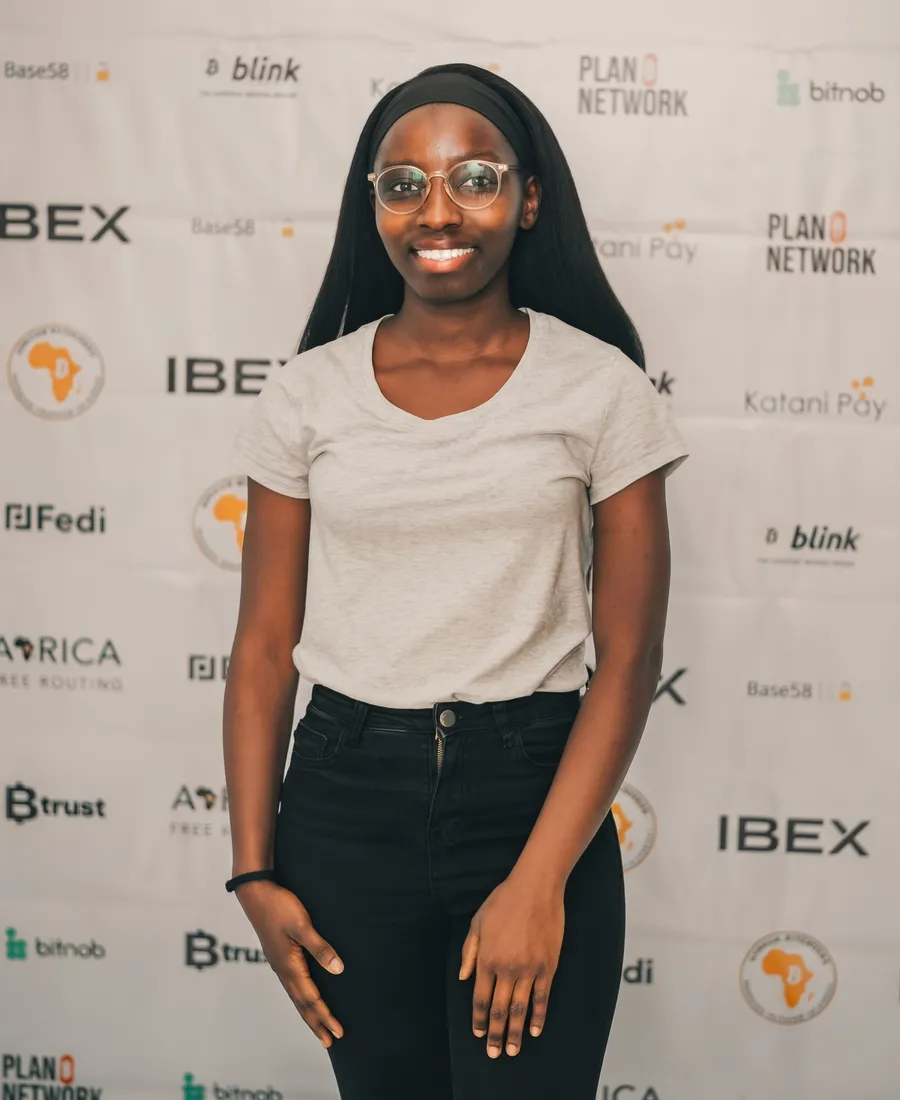
Growing up in Nairobi, Brenda Achieng loved hands-on building.
The dream started with architecture, designing spaces from scratch. That passion pulled her toward computer science, then hardware and robotics engineering. "I was the only girl in the room surrounded by wires, breadboards, and microcontrollers." To complement her technical skills, she took on work in digital product and brand design.
But when she expanded into that world professionally, she ran straight into what designers call the technical tax of visual work. Generating mockups meant painstaking hours wrestling with rigid software. The tools were unforgiving. "It was really hard. You'd try to pull mockups from anywhere, but the tools would leave watermarks, or you'd have to understand every single process from point A to Z just to get a stunning output."
It was literally life-changing. It removed this problem that I'd been struggling with for so long.
During her final year at university, AI tools flooded academia. What unsettled Brenda was watching peers treat the technology as a crutch, blindly pasting AI-generated text into final papers or submitting graphics with watermarked AI logos still visible. "It was so confusing, and some people started depending on it."
For Brenda, the turning point came when she realised she could use AI as a partner rather than a replacement. She could now pull a mockup from almost anywhere and implement the parts she actually wanted. Suddenly the hours spent wrestling with software became seconds of iteration.
She began to experiment with AI as a co-creator. "AI has helped me to brainstorm a lot," she explains. "Before, you'd be fixated on one way and just try to see how that works. But right now, you can iterate much more quickly. It nudges your creative direction."
AI has helped me to brainstorm a lot. It nudges your creative direction.
When building the branding, logo, and imagery for a client, she used AI as a mirror. She would throw ideas out and watch how it responded, then use that to find her direction. "Did I manage to do that pretty well?" she would ask. "And it comes back and says what needs to be fixed. It helps me to research more about that idea and make it better."
She also set up guardrails for her new workflow. When she got too excited about a concept and began to drift from the original project vision, AI could flag it, letting her know when she was straying off course.
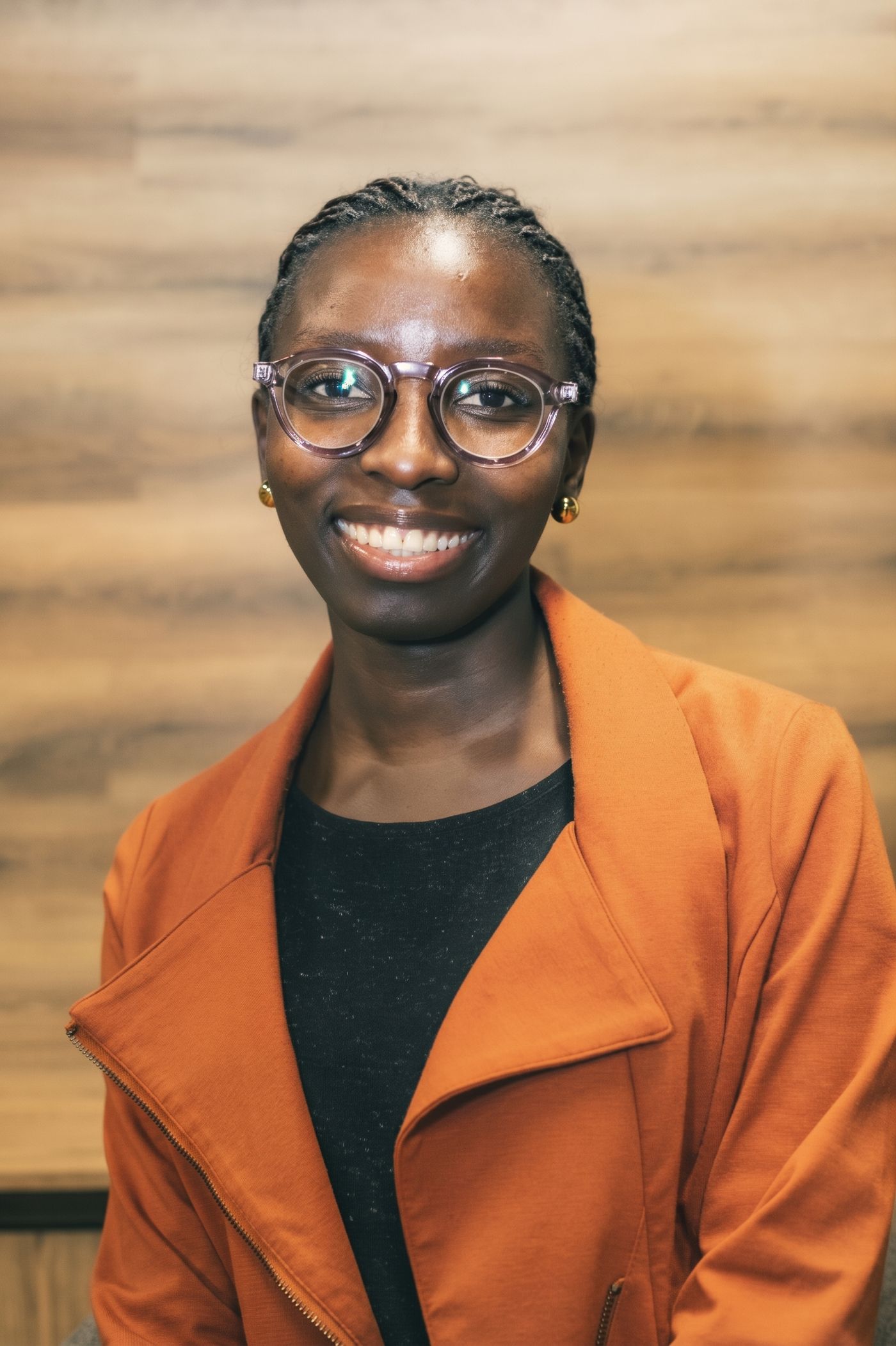
Today, Brenda sees the same shift happening in robotics. She remembers the high barrier of entry that left many students believing they were not cut out for hardware, because the research was simply too daunting. AI now bridges that knowledge gap, turning projects that once seemed impossible into feasible realities. "AI helps you get your house in order," she explains. "You don't focus on those nitty-gritties anymore. You just focus on the bigger picture. It gives you clarity much quicker so you can come to a consensus and run with it."
Don't be scared of new technologies. You're going to learn from it and build on top of it, and you'll be surprised at the amazing things you create.
As she looks to the future, Brenda is not haunted by the narrative that AI will replace engineers. She views it as a way to collapse the timeline of the tedious, leaving more room for the imaginative.
"Don't be scared of new technologies. They're going to come and there is more coming, but you're going to learn from it and just build on top of it and just move forward, and you'll be surprised at the amazing things that you'll create."
Explore more stories.
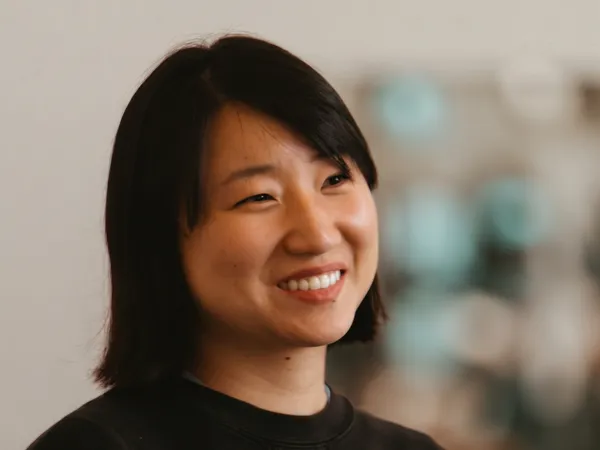
Yishi
Yishi moved from China to the Bay Area to study industrial design and built her life around discipline and structure. When AI arrived, it nearly overwhelmed her process. What she found instead was a new kind of control.
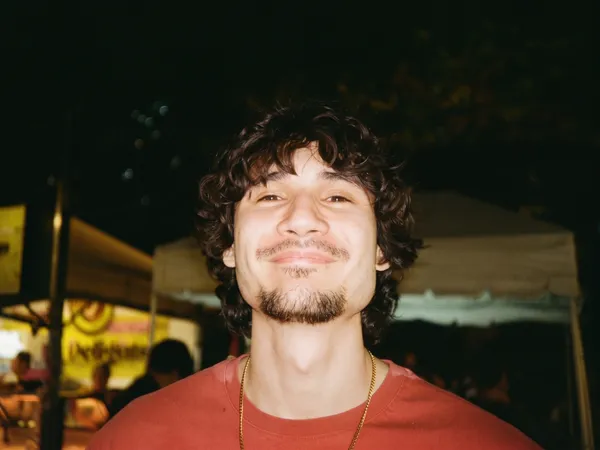
Mark
Eight years in the Royal Navy taught Mark precision and systems. When he moved into business and sales, he had the discipline but not the tools. Then AI arrived, and his entire workday changed.
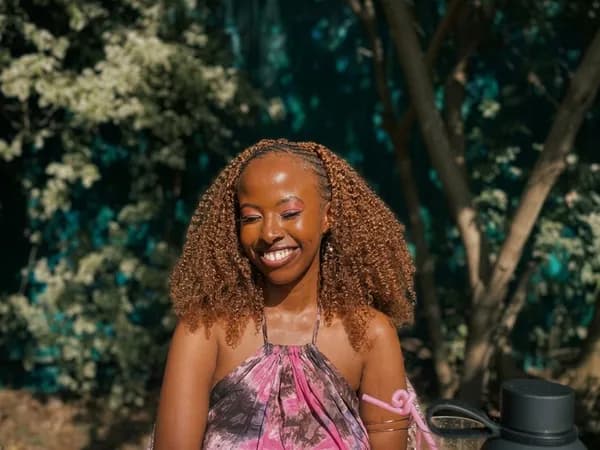
Wandia
Growing up in Nairobi, Wandia Mugo navigated a financial world dictated by urgency. When Bitcoin arrived in late 2024, it didn't just change how she got paid. It changed how she understood money, freedom, and herself.