design
industrial-design
Once AI chimes in, the sketching step starts to explode. I have a hundred ideas and I feel I need to control it.”
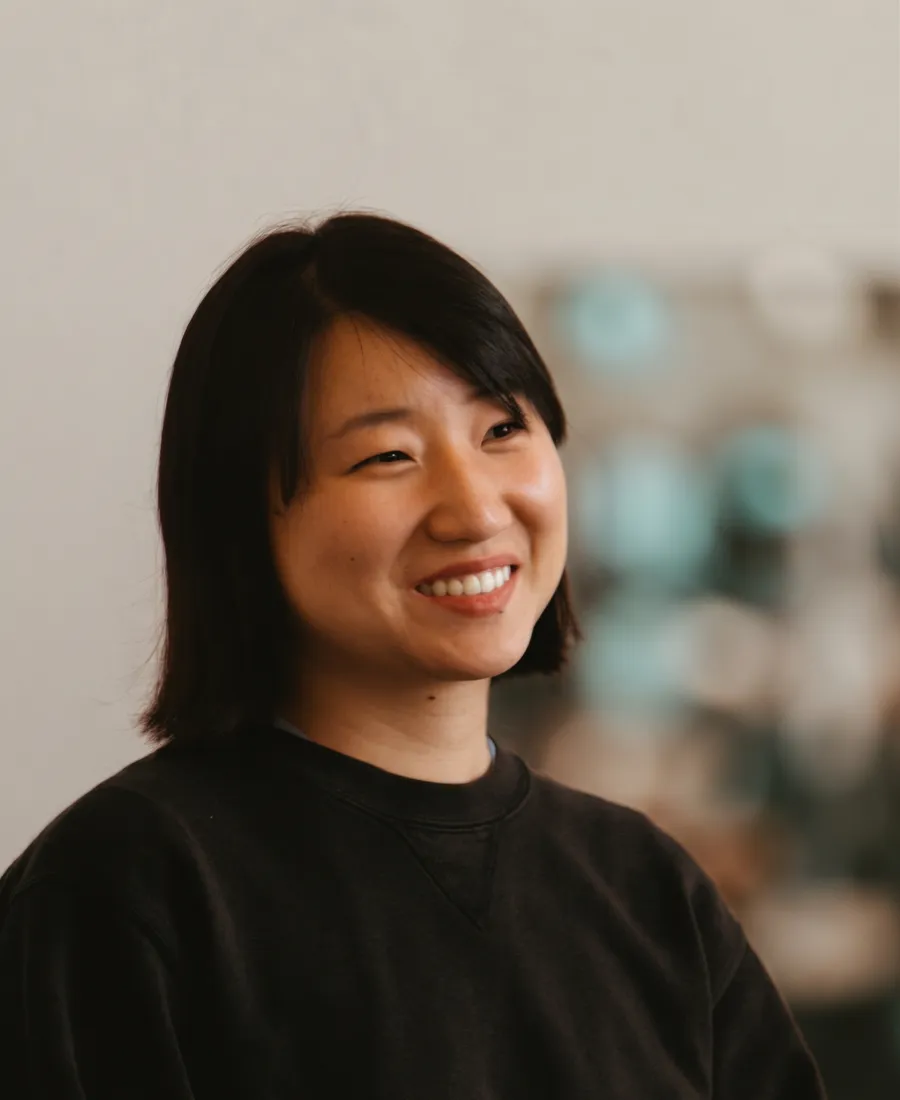
Yishi moved from China to the United States to study industrial design and built her life around discipline and structure.
But when she was in graduate school in the Bay Area, a digital tidal wave hit. Suddenly, everyone around her was talking about artificial intelligence. "Everyone started using ChatGPT. At first, as an international student, we used it mostly as a translation tool. And then we started to use it on everything, every possible thing."
Before AI, her process as an industrial designer was manual and linear: pick a theme, research the market, draw sketches, build 3D models of her top choices, generate renderings, and compile the final narrative.
The turning point came when she introduced Viscom, an AI tool designed for industrial designers, into her sketching phase. She recalls a sudden explosion from her steady process into hyper-speed. Instead of a handful of sketches, she had a hundred ideas staring back at her almost instantly.
Once AI chimes in, the sketching step starts to explode. I have a hundred ideas and I feel I need to control it.
Rather than letting the tool overwhelm her process, Yishi realised she had to redefine her relationship with AI, treating it as something to be wielded with calculated intention.
"AI is like Google Drive. We're not using Google Drive every time, only when we need to. I can't just use AI whenever I want. I have to think twice before I start using it. I have to control it very carefully, how I use it and how much I use it."
By establishing that boundary, AI transformed her workflow into a powerful ideation engine. Instead of replacing her core skills, it let her explore dozens of visual concepts in minutes, reducing the time spent on early design exploration and freeing her to focus on high-level strategy and final execution.
"For creatives especially, you have to be careful about the moment that you use AI. If you can show that you use AI professionally and let everyone know which part you used it, I think that can be a sign of being a professional designer."
I just talk to AI. It's like writing a journal, but the journal actually responds to you.
While AI brought speed and required careful control in her studio work, it brought something quieter to her personal life. Late at night, away from the pressure of work, Yishi found that conversational AI provided a comforting outlet for passing thoughts and questions of everyday life. "I just talk to AI. It's like writing a journal, but the journal actually responds to you. That moment felt very magical."
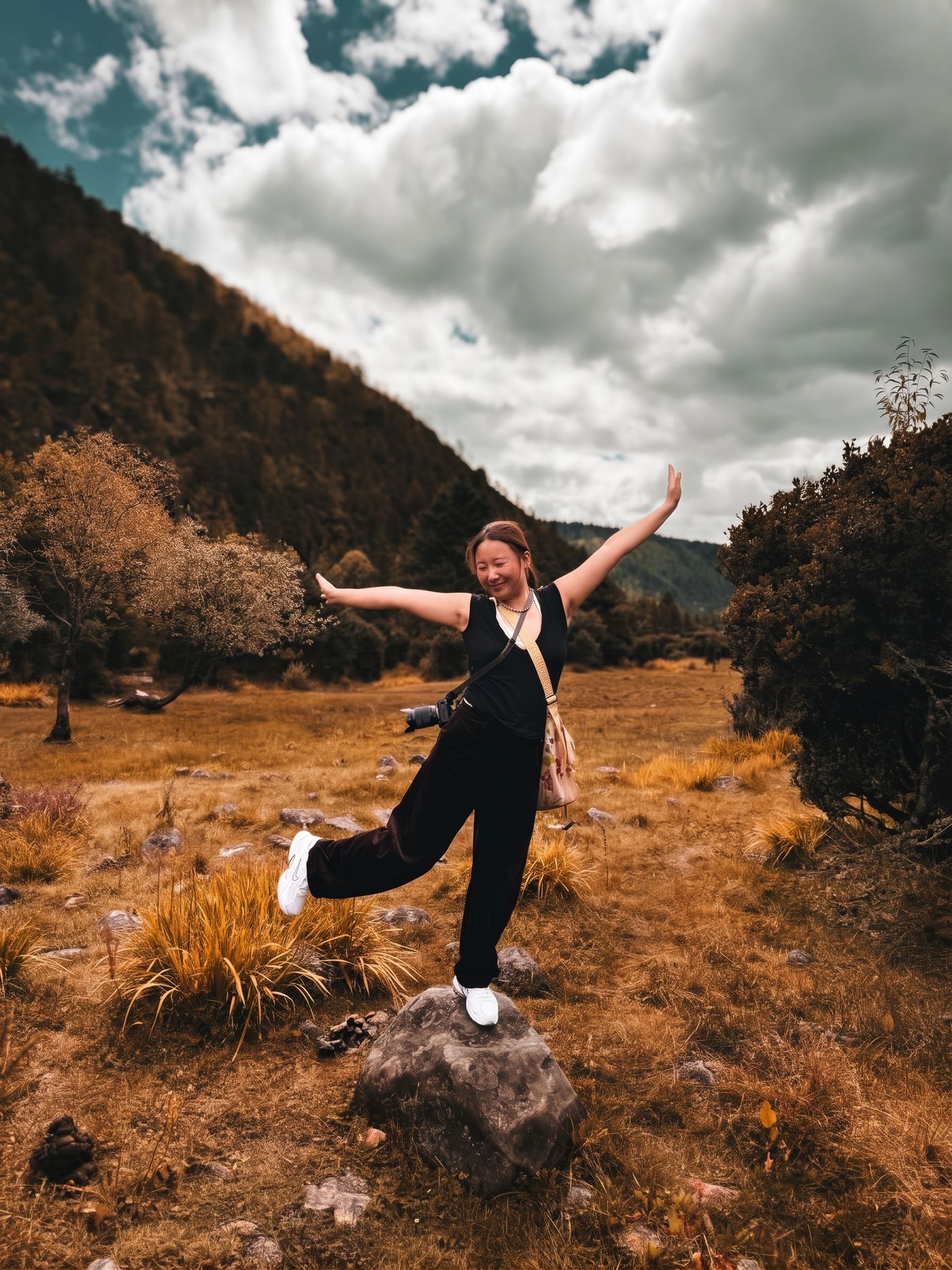
Across the ocean in China, where Google is nonexistent and local search engines often fall short, the same technology transformed how her father interacts with the world. For him, AI arrived as a window of truth.
"For my dad, the magic is in the simple answers. He'll see a flower on the street and he's like, what's this flower called? My dad is loving AI." When fake news floods his feed, Yishi's advice is the same: go ask AI. And he finds the truth.
Try one task and try using different AI to solve the same problem. See which one you like best.
For anyone looking to start out with AI without losing their ground, her advice is simple.
"Try one task and try using different AI to solve the same problem. See how they respond and see which one you like best. Just try as many as you can and you'll find the one that works for you."
Explore more stories.

Mark
Eight years in the Royal Navy taught Mark precision and systems. When he moved into business and sales, he had the discipline but not the tools. Then AI arrived, and his entire workday changed.
Brenda
From hardware labs in Nairobi to digital product design, Brenda Achieng spent years wrestling with the technical tax of creative work. Then AI arrived, and the hours became seconds.

Wandia
Growing up in Nairobi, Wandia Mugo navigated a financial world dictated by urgency. When Bitcoin arrived in late 2024, it didn't just change how she got paid. It changed how she understood money, freedom, and herself.