prototyping
project-management
If you can shorten that process of months down to a couple of minutes, you can really come up with some cool stuff.”
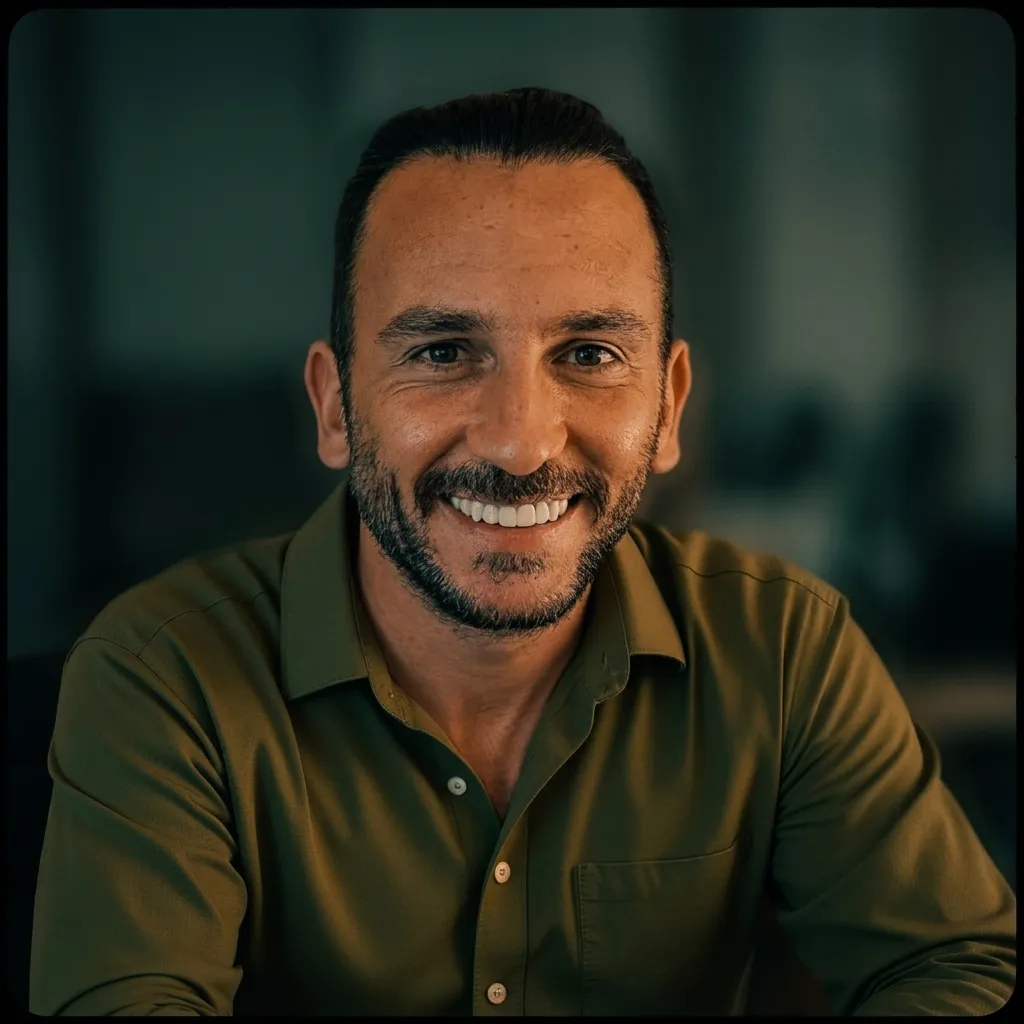
At 18 he joined the military and his world opened up.
Erik Alvarez has lived in Germany, the Balkans, Chicago, Australia's mining country, and the shores of Puerto Rico. He trained as a civil engineer, spent years in construction and infrastructure, and eventually became a tech project manager. The tools changed throughout the years, but his instinct did not.
For Erik, AI was less about speed and more about removing the fog.
Before AI, the road from concept to product was a long and grueling process. "You would start with a Google Sheet sketch, then you draw things on paper. Then typically, you would go to a designer to lay out your thoughts, and then to a developer to put that into a mockup. That process was on the order of months. From 'I have this idea' to 'let me click around and see if this is any fun,' it took forever."
It was this kind of friction in the engineering world that would stunt innovation until AI came along. By dramatically accelerating the prototyping process, AI enabled him to explore and develop ideas when the final product and path forward was foggy and uncertain.
If you can shorten that process of months down to a couple of minutes, you can really come up with some cool stuff that I don't think was possible before.
For Erik, AI didn't just make the work faster, it made it possible, and turned a linear pipeline into a continuous loop of visualisation and refinement.
This acceleration wasn't limited to his professional life. Erik has always been deeply curious, with a scientific hunger that outpaced the resources available to him. His first encounter with AI began while testing the early stages of ChatGPT. At the time he was reading Sean Carroll's book The Biggest Ideas in the Universe. Curiosity struck, and he began using Python scripts to simulate how the planets worked, spending hours testing Kepler's laws of motion and Newton's theories of gravity.
"My solar system was a total disaster," he laughs. But it was fun, and failing helped him learn. "It turned this thing I was reading and only vaguely understood into something I could actively play and experiment with."
If you had told me five years ago that I could have a chat with my laptop, that's insane.
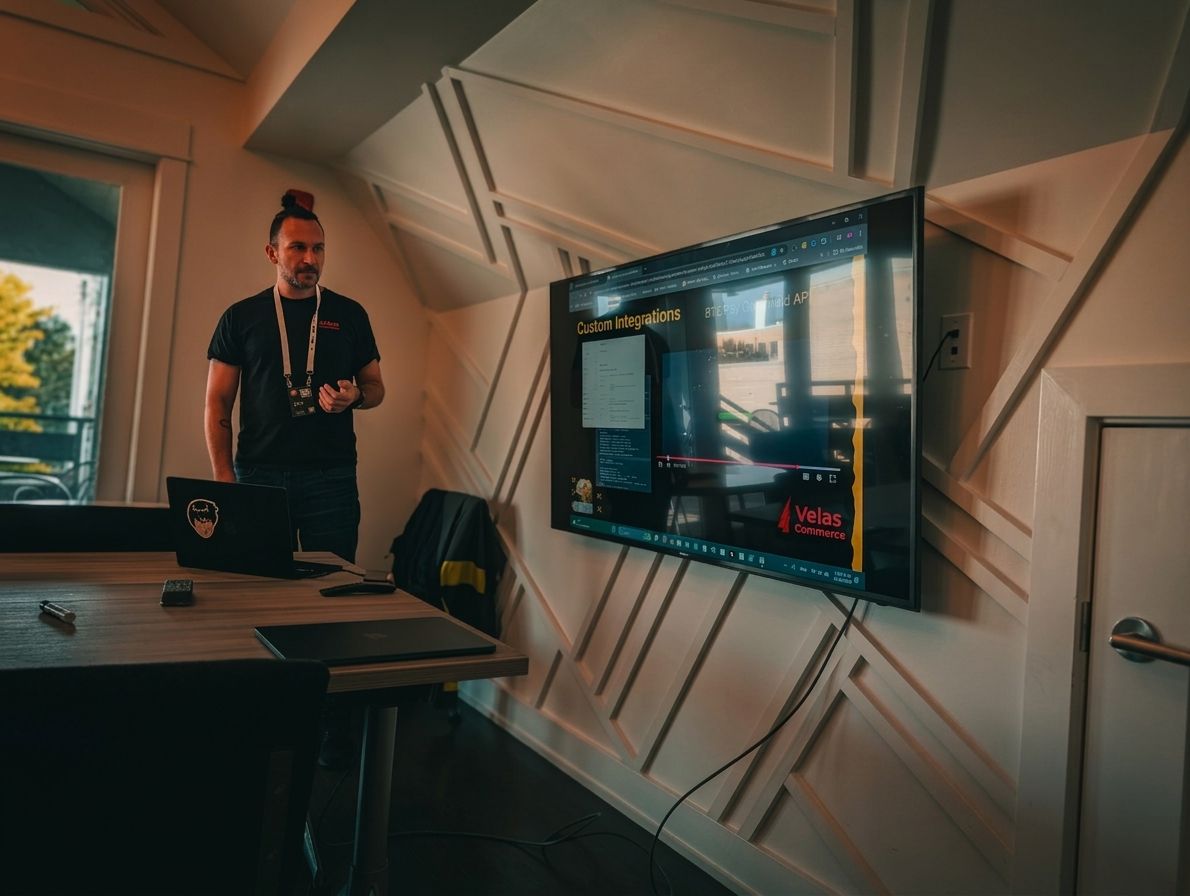
The spirit of experimentation led him deeper. While others were content with the cloud-based convenience of ChatGPT or Claude, Erik began running local LLMs, large language models running directly on his five-year-old laptop. It was slower and it hallucinated, but there was something surreal about the experience. He found the magic in the autonomy of the tool.
"Where it really saves me time as a project manager, I think, is prototyping. I don't think there's another way to prototype in 2026 than using AI."
As he integrated AI into every facet of his life, Erik began to notice a new kind of friction. Working with a global team, developers in Canada, researchers in France, colleagues in Russia, he sees AI as a powerful bridge for translating thoughts and refining communication across language barriers. But he also warns against eroding trust by using it lazily.
I often get the opinion when people use AI poorly that they are trying to save time at my expense.
"If I have ChatGPT write me a three-and-a-half-page email based on a two-sentence prompt and then do not bother to read that email before sending it, that's not a respectful use of somebody else's time."
For Erik, the goal of AI is to enhance the human element, not bypass it. He put this to the test by joining a "100 days of code" Python course, deliberately without AI assistance. "It was really hard. But now, when I do use the AI assistant to help me write Python code, I can usually understand what it's doing in a way I don't think I could otherwise."
His advice: learn the fundamentals first. Do the DIY work. It helps you understand the mechanics behind what AI is doing, and makes you far better at directing it when you do.
Explore more stories.

Wandia Mugo
Growing up in Nairobi, Wandia Mugo navigated a financial world dictated by urgency. When Bitcoin arrived in late 2024, it didn't just change how she got paid. It changed how she understood money, freedom, and herself.

Ropafadzo Tambara
A final-year law student from Zimbabwe studying in Zambia, Ropafadzo Tambara went from fearing AI to making it her most trusted study partner. Her message to anyone left behind: the danger is not the technology — it is the refusal to adapt.
Joaquín
A film student from Chile living in Argentina, Joaquín Farfán spent years losing money to hidden fees and bad exchange rates before peer-to-peer trading made something click. Today he leads Souzu Capital, building financial tools that feel invisible and intuitive to anyone.