self-custody
peer-to-peer
What feels safe is often just what you're used to.”
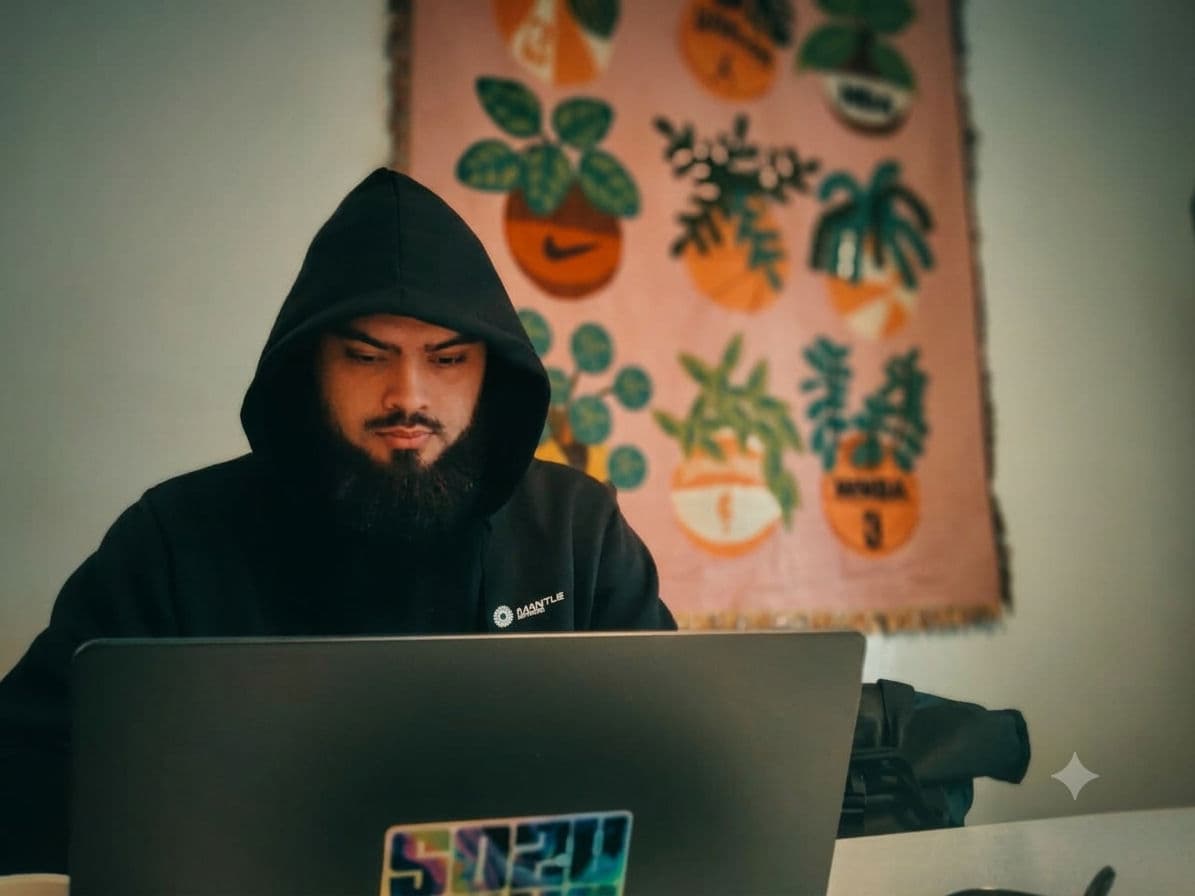
He thought he was doing everything right.
Standing in front of an ATM in Argentina, debit card in hand, Joaquín Farfán was doing what anyone else would do: trying to access his own money. But every withdrawal came with a quiet penalty. Hidden fees, terrible exchange rates, and the slow realization that the system he trusted was quietly draining him.
Joaquín operates at the intersection of code and storytelling. A self-taught software developer and Web3 builder, he began in filmmaking before shifting into tech. Back then he was just a film student from Chile, living in Argentina and trying to navigate a life across borders. To access his money, he relied on ATM withdrawals. There was no obvious alternative besides carrying cash on a flight or paying for expensive wire services. "I was getting the worst exchange rate, hit with fees on top of fees every time I used an international ATM," he says.
Bitcoin entered his life back in 2012 when his brother strategically bought and sold local domain names tied to early platforms in the space. At the time it barely registered, remaining internet noise and a technical curiosity. That changed in Argentina.
I thought I was hacking the system. But I was just accessing a real market.
Caught between two financial systems, the gap between what the bank offered and what Joaquín actually needed became impossible to ignore. He discovered peer-to-peer markets. Trading directly with other people at a rate set by supply and demand, he received significantly more than what the bank had been giving him. "That's when it clicked," he explains.
In Chile, trust in banks is deeply embedded. Since the 1990s, citizens have been granted a state bank account at eighteen, making institutional finance the default. Yet in Argentina the opposite was true. A history of financial instability has made people skeptical, adaptive, and open to alternatives.
What feels safe is often just what you're used to.
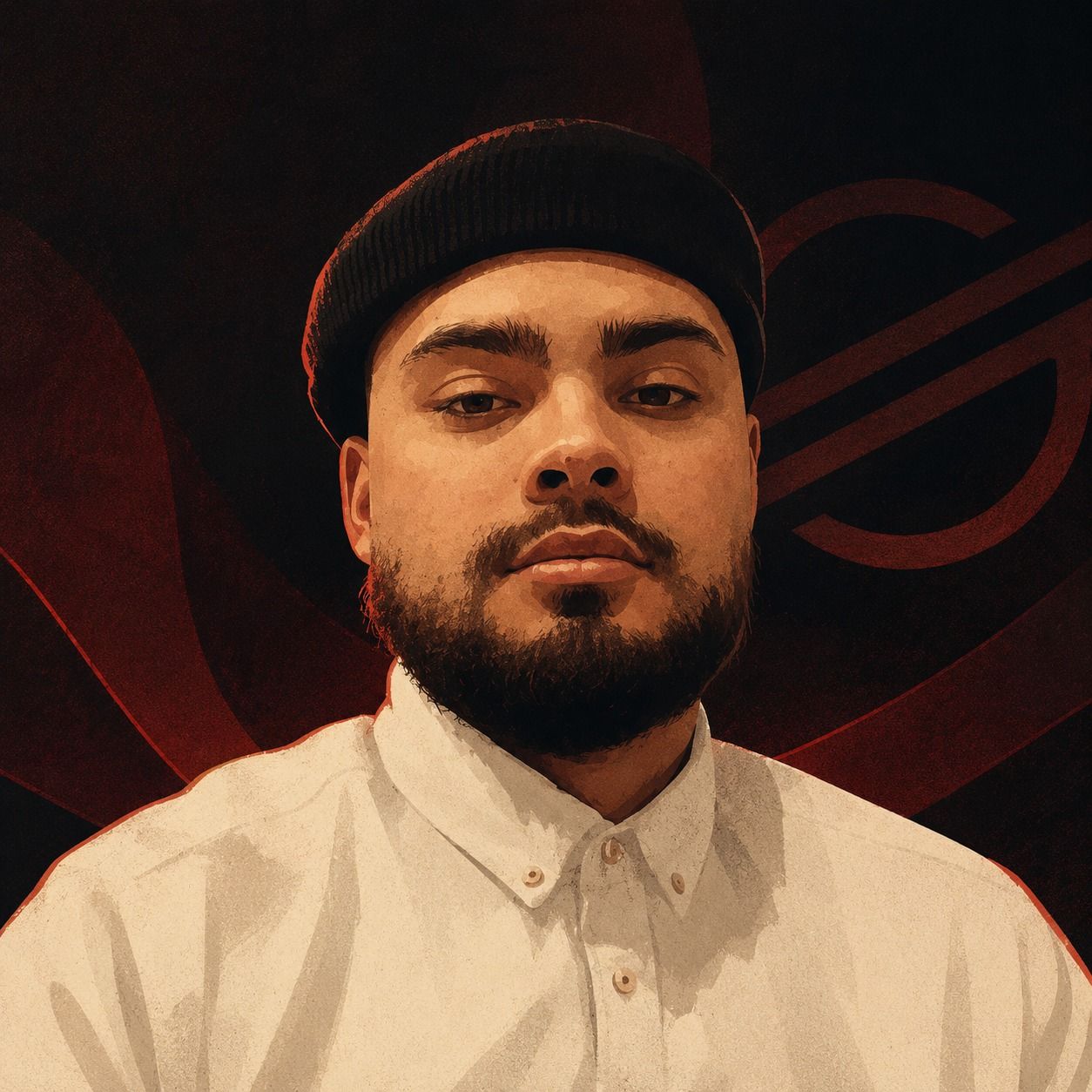
This realization allowed him to shift his perspective on Bitcoin as something more than a tool. The idea that money could be truly owned without relying on a third party reframed everything. What began as a practical workaround soon evolved into a set of values: self-custody, freedom, and responsibility.
He began holding small amounts of Bitcoin, and what started as a hedge for his savings eventually shaped his career path.
Today, Joaquín leads Souzu Capital, a startup focused on improving the user experience of stablecoins for merchants, and serves as a community builder for the Stellar ecosystem. His work centers on making powerful financial tools feel invisible and intuitive to anyone. "The differentiator is user experience. People don't adopt technology because it's powerful, they adopt it because it feels natural."
Recently, when account balances across Chile reflected zero, the state bank brushed it off as a minor glitch, insisting it only affected how customers viewed their funds. But for Joaquín and millions of Chileans who woke up to find their balances at zero, it confirmed something: their financial system is more fragile than it appears.
Owning your own keys, owning your own coins. That's real power.
What began as a frustrating ATM withdrawal years ago became a redefinition of trust, control, and value itself. Joaquín found not just a better way to move his money, but a different way to understand who it belongs to.
"Bitcoin offers the possibility of holding your own value, your own money. Literally."
He advises people to question the system. "Just because nobody has solved it yet doesn't mean there isn't a solution. Bitcoin is just getting started. It's about taking power away from institutions, bringing it back to the people who create value, and giving them ownership over it."
Explore more stories.
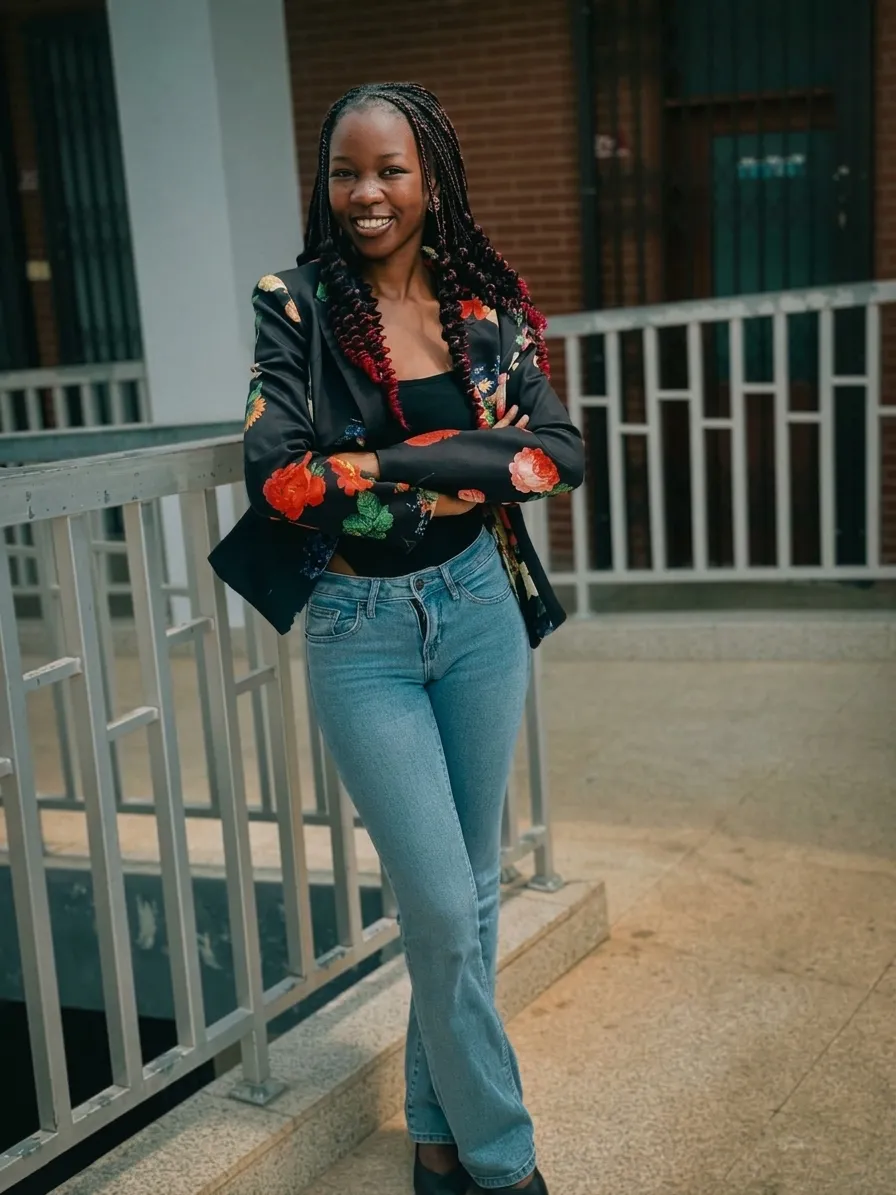
Ropafadzo Tambara
A final-year law student from Zimbabwe studying in Zambia, Ropafadzo Tambara went from fearing AI to making it her most trusted study partner. Her message to anyone left behind: the danger is not the technology — it is the refusal to adapt.
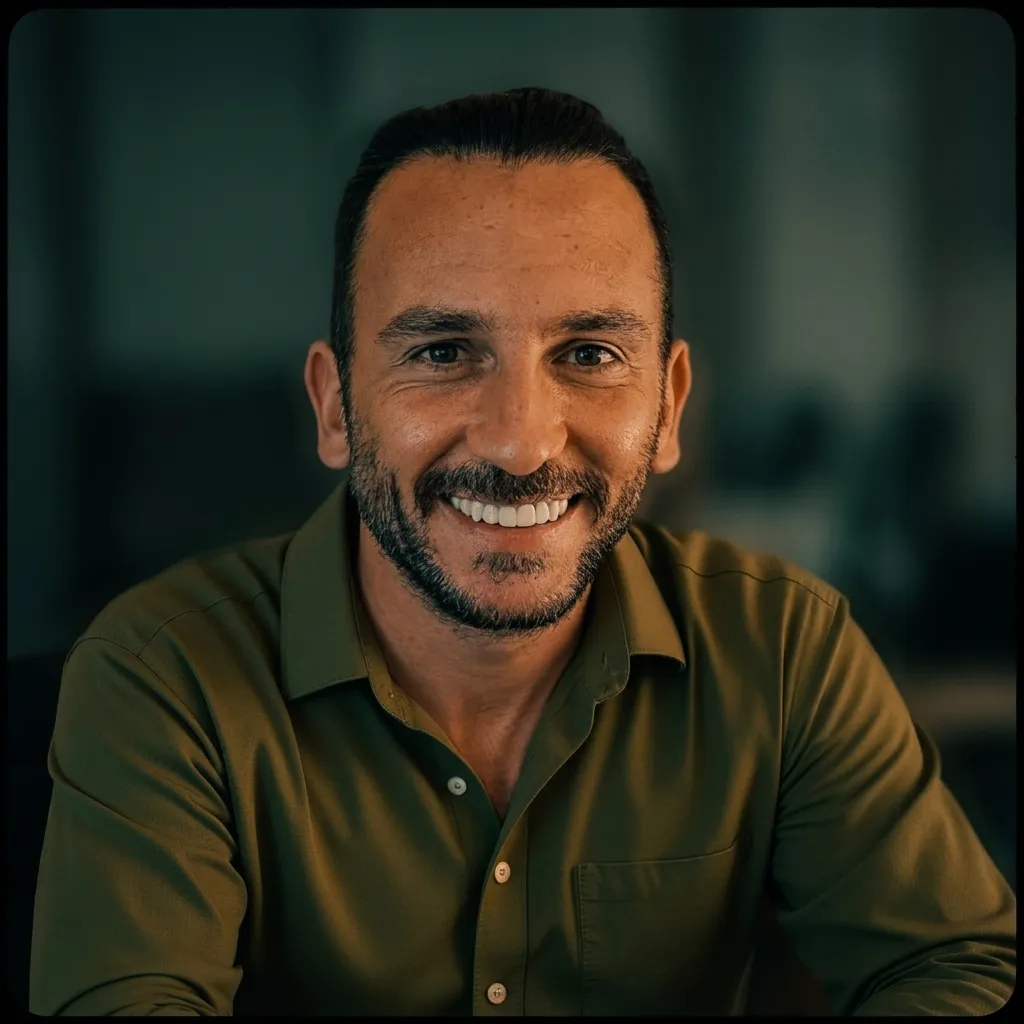
Erik Alvarez
From military service to mining country to tech project management, Erik Alvarez has always followed his instinct. When AI arrived, it didn't just make his work faster. It made things possible that weren't before.
Vidushi Singh
A UI/UX designer who spent years in corporate tech in India, Vidushi Singh found her way into Bitcoin through two rejections and a lunch bill in Mauritius. Today she builds HODL, a peer-led design education initiative for the Bitcoin open-source ecosystem.