open source
design
Stop waiting for permission to learn.”
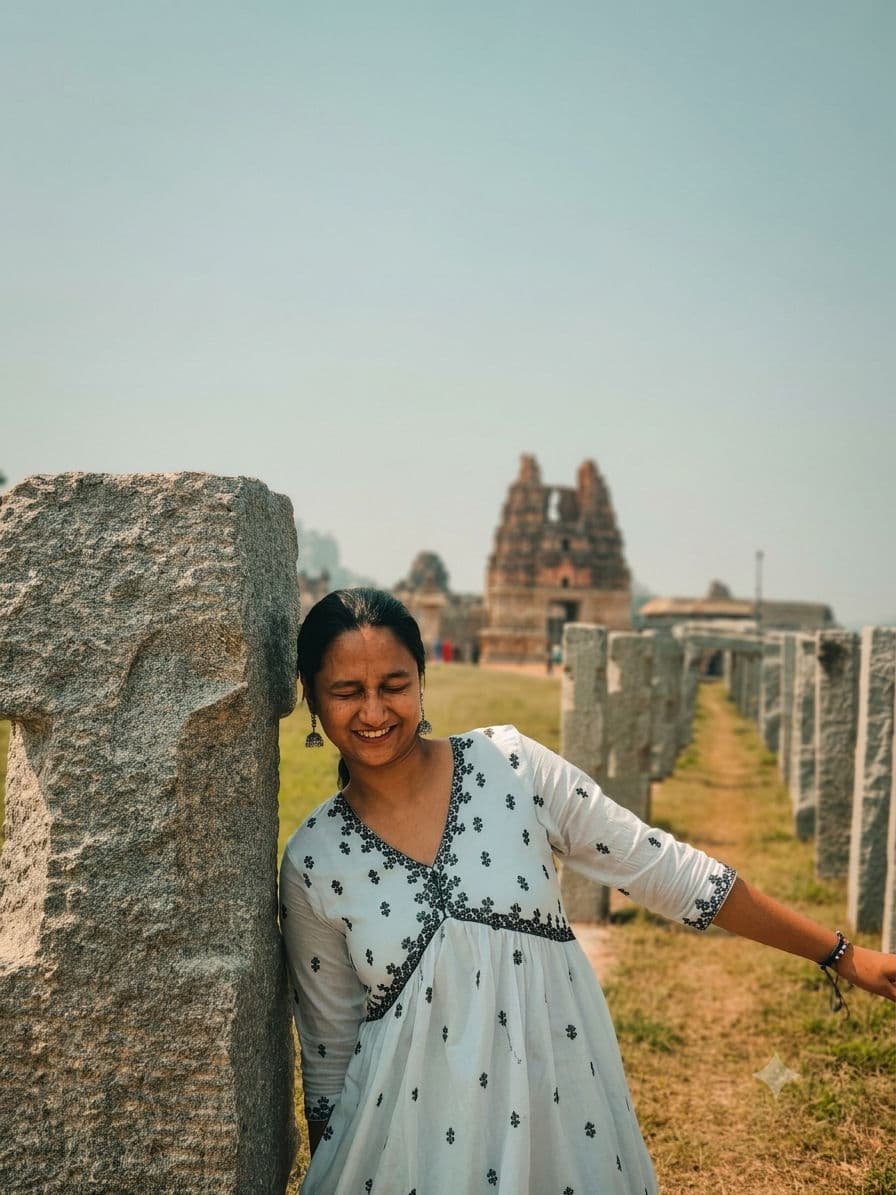
Vidushi's early encounter with Bitcoin was not a sudden epiphany. It began as a series of hurdles.
A young UI/UX designer who had navigated the corporate tech landscape in India for over half a decade, she decided to try something new.
"It's a little funny," she laughs. "I came into it through a college program called Summer of Bitcoin. I applied to contribute my design skills, but my project proposals were rejected twice. After that second failure, I wanted to give up."
So why didn't she? "Honestly... peer pressure," she laughs.
Her friends were already working in Bitcoin. They were building, contributing, and talking about it like it mattered. Vidushi stayed close to the community, even when she wasn't entirely sure why. Then something shifted. She saw people working together with a shared passion.
A passion I had never seen when I worked in a corporate environment. In corporate, you have to seek permission for everything you do, for every change you want to make. But in open source, it's just: "Come and do contributions." No one cares what you were supposed to do. They care what you actually do.
At first, that freedom felt uncomfortable. "For a year, I was skeptical about sharing my views openly," she says. "We're not trained that way."
It was a clash of cultural upbringing. In India, she explains, the default mode is often to seek permission before doing anything, to wait before you speak. Open source demanded the opposite. Beyond that lay another layer she constantly had to explain to family and peers: "Even now, when I tell people I'm an open-source designer, they ask, 'What's that?' They are completely unfamiliar with it."
When she told them she worked in the Bitcoin industry, they would often write it off as a scam based on negative headlines. But Vidushi chose to look past the noise.
Question what money is. And be curious.
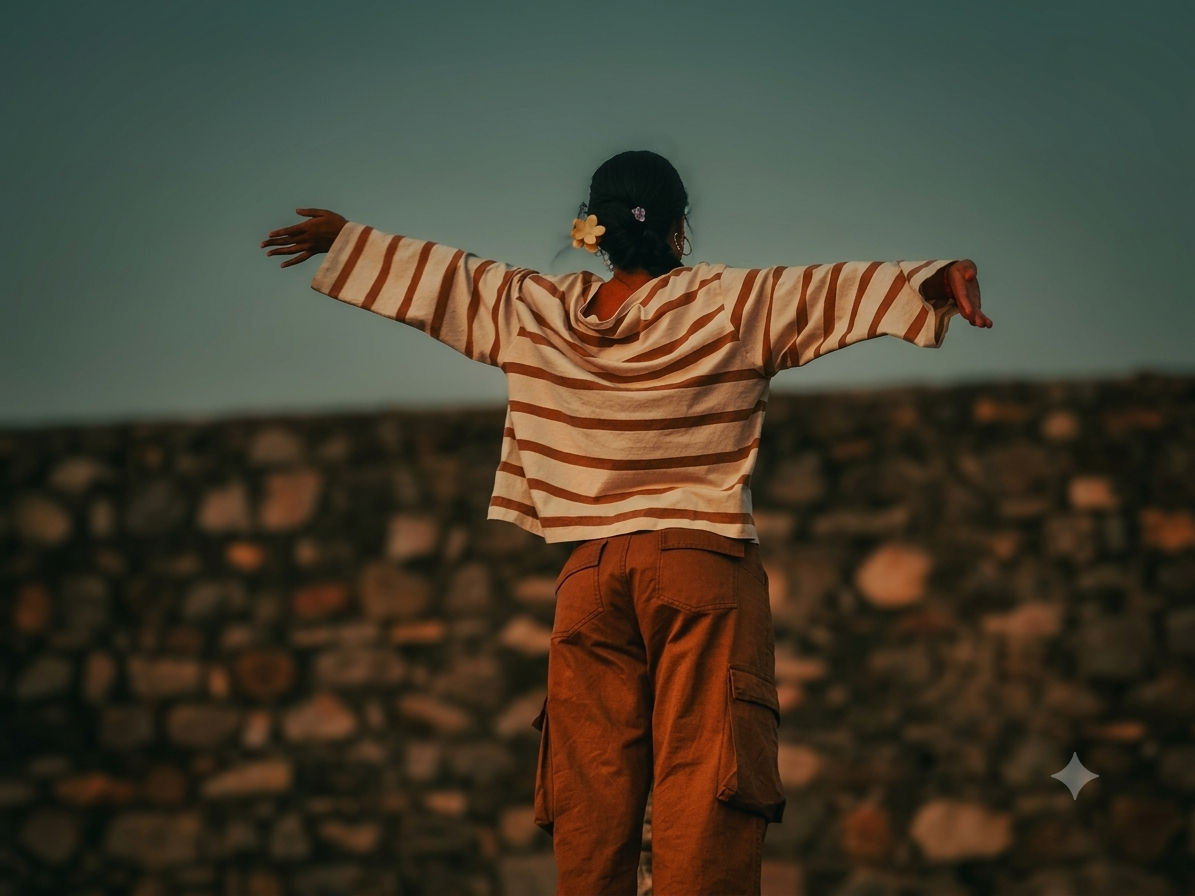
Her turning point came during her first international trip in 2025, at the Africa Bitcoin Conference in Mauritius. When the bill arrived at lunch, she realized she didn't have any local currency. Instead of hunting for an ATM, she simply sent Bitcoin over the Lightning Network to the person sitting next to her, who paid her share of the bill.
"That was my first exchange for food. That was my 'wow' moment," Vidushi says. "I thought, why can't we use one currency all over? When you go to a different country, you usually have to go through all these currency exchanges, find an ATM, and plan in advance. With a universal network, it just works."
Today, Vidushi is no longer just a designer. She is a strategist. She has realized that the best way to break down misconceptions is through niche, peer-led education.
"We need to educate people in their own niches," she says. "I'm working on HODL. I've figured out that designers will listen to other designers. If someone their own age tells them the reason behind it, they will listen."
Stop waiting for permission to learn.
Explore more stories.
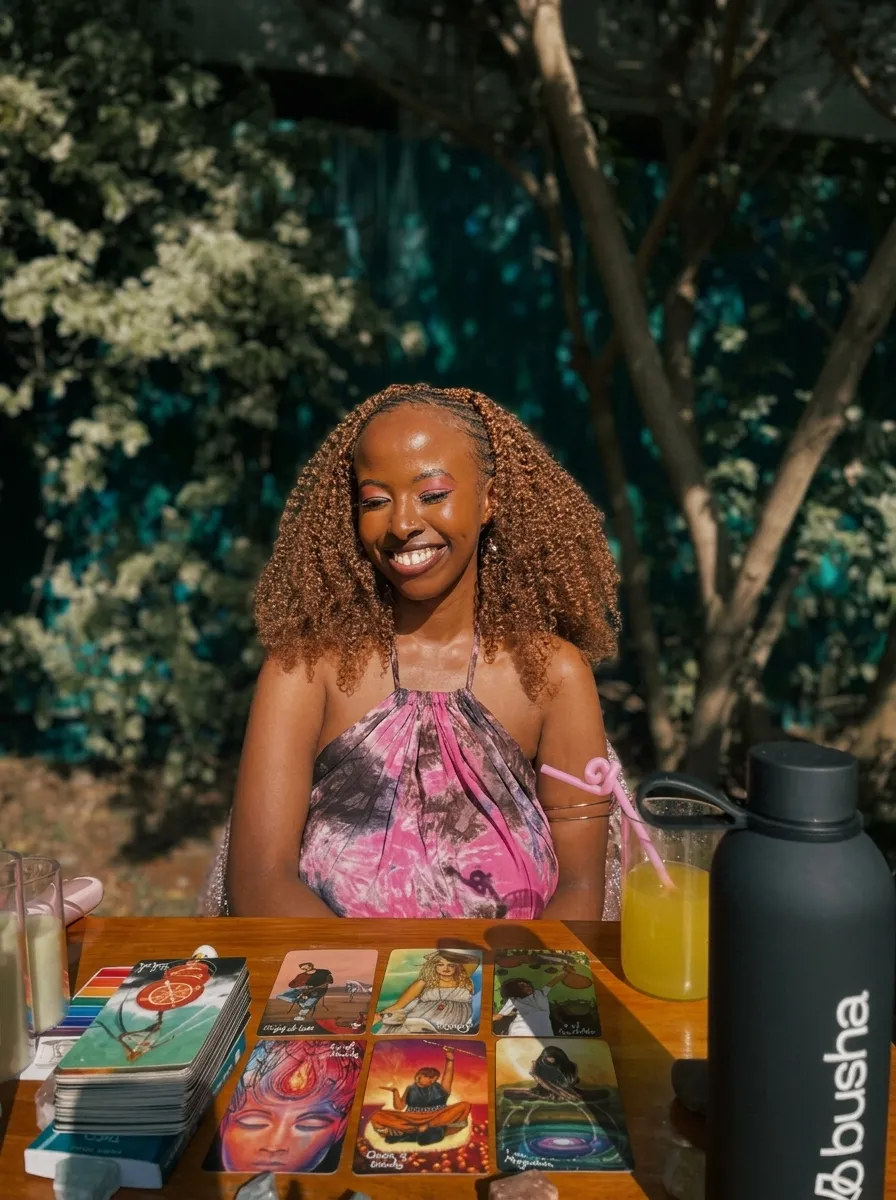
Wandia Mugo
Growing up in Nairobi, Wandia Mugo navigated a financial world dictated by urgency. When Bitcoin arrived in late 2024, it didn't just change how she got paid. It changed how she understood money, freedom, and herself.
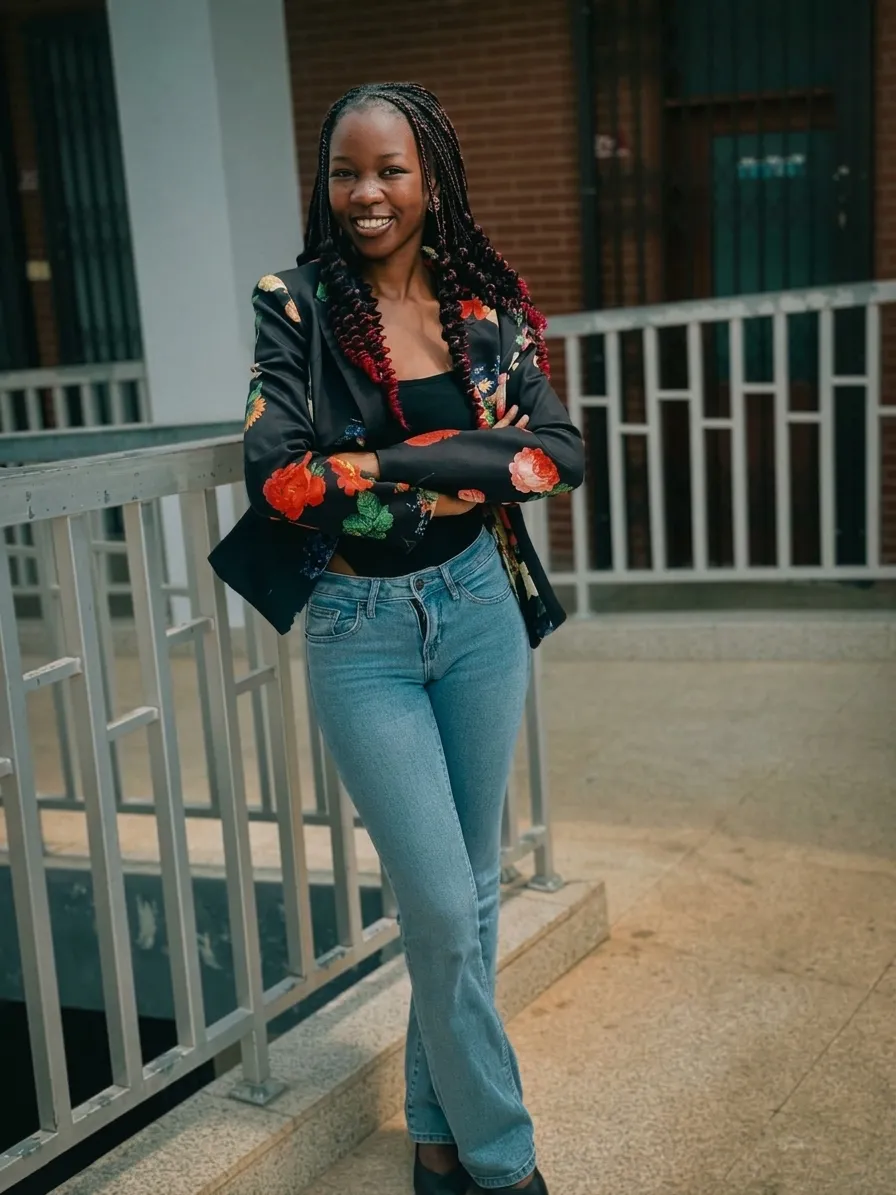
Ropafadzo Tambara
A final-year law student from Zimbabwe studying in Zambia, Ropafadzo Tambara went from fearing AI to making it her most trusted study partner. Her message to anyone left behind: the danger is not the technology — it is the refusal to adapt.
Erik Alvarez
From military service to mining country to tech project management, Erik Alvarez has always followed his instinct. When AI arrived, it didn't just make his work faster. It made things possible that weren't before.