financial inclusion
merchant adoption
I didn't take Bitcoin as something complicated. I took it as something that just can solve problems in our homes, in our community.”

Everything changed when they painted her salon orange.
Before that day, Joyce Koigi ran a hairdressing business the way everyone did in her part of Nairobi. "Before, life was difficult for me. Even for my customers to make payments, they would end up spending a lot when paying me for my services."
Every shilling sent or received was taken from, skimmed off, charged again. She hadn't thought to question it. It was just how money moved in Kenya.
I didn't know other ways of spending my money without being overcharged. I was so desperate looking for support. I was a young mom.
One afternoon, a client sat down in her chair and told her about a program for young mothers: business skills, lessons on baby nutrition, and something called Bitcoin.
"I was not really interested in earning Bitcoin. But I was interested in those things she told me. I'm going to gain business skills, I'm going to learn about motherhood, I'm going to learn how to look after my baby. And the little amount they were offering, because the economy here in Kenya is too difficult. Those things really moved me."
The client pulled out her phone, set up a new wallet, and sent her a small amount of "sats" (fractions of a Bitcoin) on the spot. "Can you see how fast it's working?" the client asked. It caught Joyce's attention. "I was excited. I was curious to know more, because I didn't know other modes of payment, so that's really what pushed me to learn more."
She felt something she hadn't expected, not suspicion, not confusion, and decided to join the first cohort of the program. "I didn't take Bitcoin as something complicated. I took it as something that just can solve problems in our homes, in our community."
About six months in, the program came to her salon and painted it Bitcoin orange.
That color really attracted people. They put my business on a map.
"I was receiving different kinds of customers from very far," Joyce says, "and they would tell me: 'I saw your salon on the map. Are you accepting Bitcoin?'"
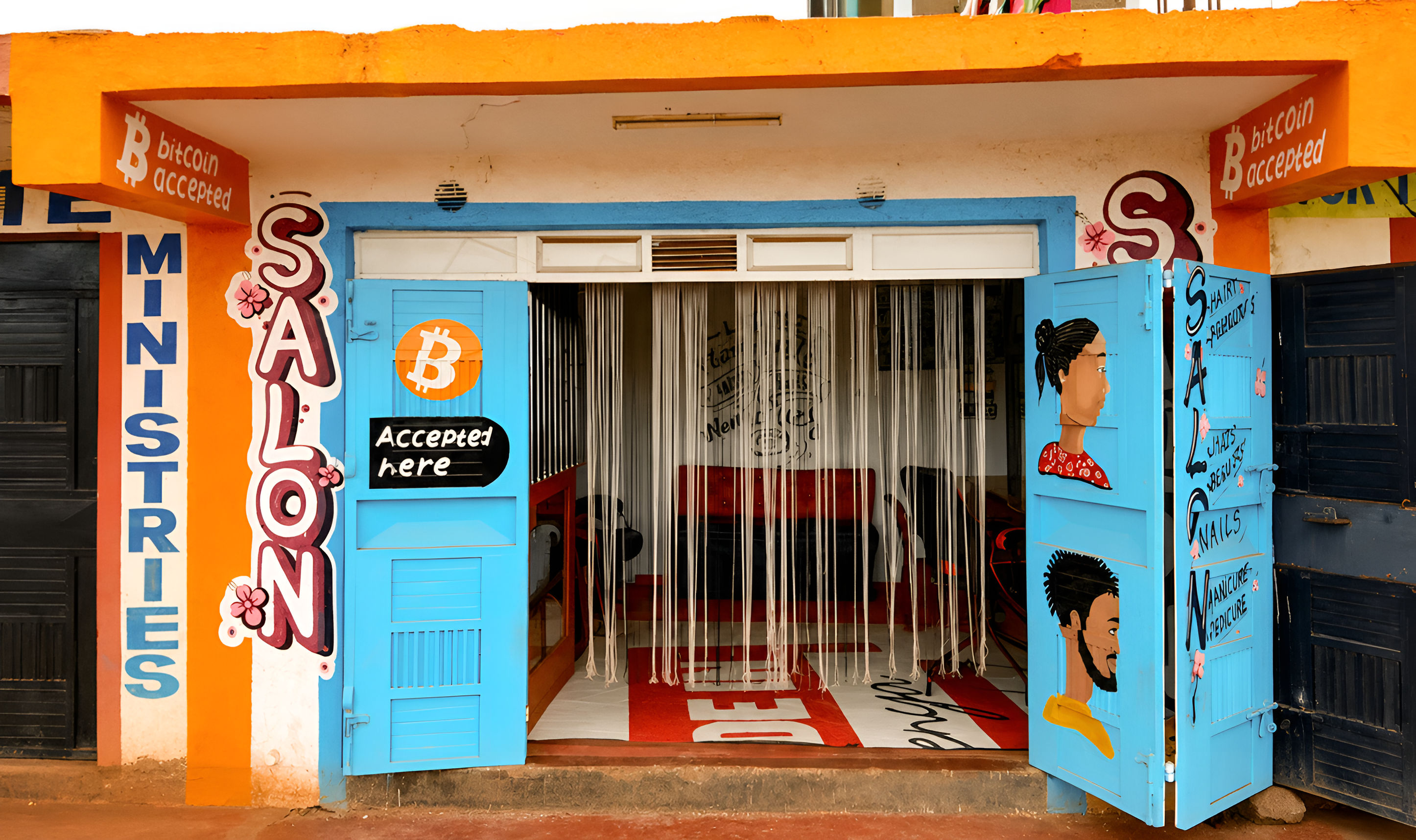
The colors made people from the neighborhood stop and ask: what is this? What is this?
She was indeed accepting Bitcoin. And soon after, she started teaching others to do the same, onboarding merchants across Nairobi, showing them how to receive payments, how to save, and how to move money without transaction fees bleeding them dry. Today, anyone who pays with Bitcoin at her salon gets a 25% discount.
But what she wants most is simple.
"We still have a lot of people around here who don't have the knowledge. If an organization can start a workshop, every week or every month, just to teach people about Bitcoin. It will be easy even to convince a merchant to start accepting Bitcoin."
She is no longer waiting for a solution, but is building it herself, through her community.
Bitcoin is helping a lot of people. It's helping me in my business and as a young mom.
Explore more stories.
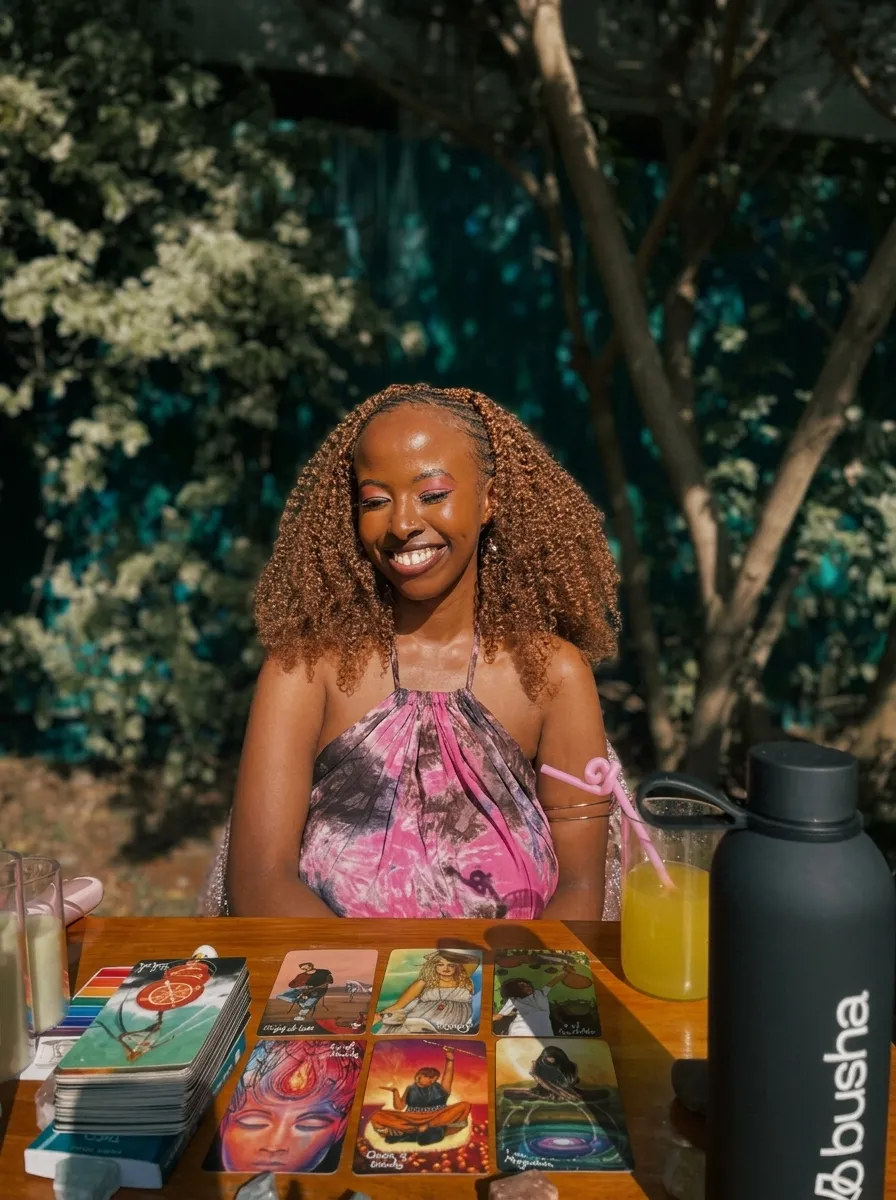
Wandia Mugo
Growing up in Nairobi, Wandia Mugo navigated a financial world dictated by urgency. When Bitcoin arrived in late 2024, it didn't just change how she got paid. It changed how she understood money, freedom, and herself.
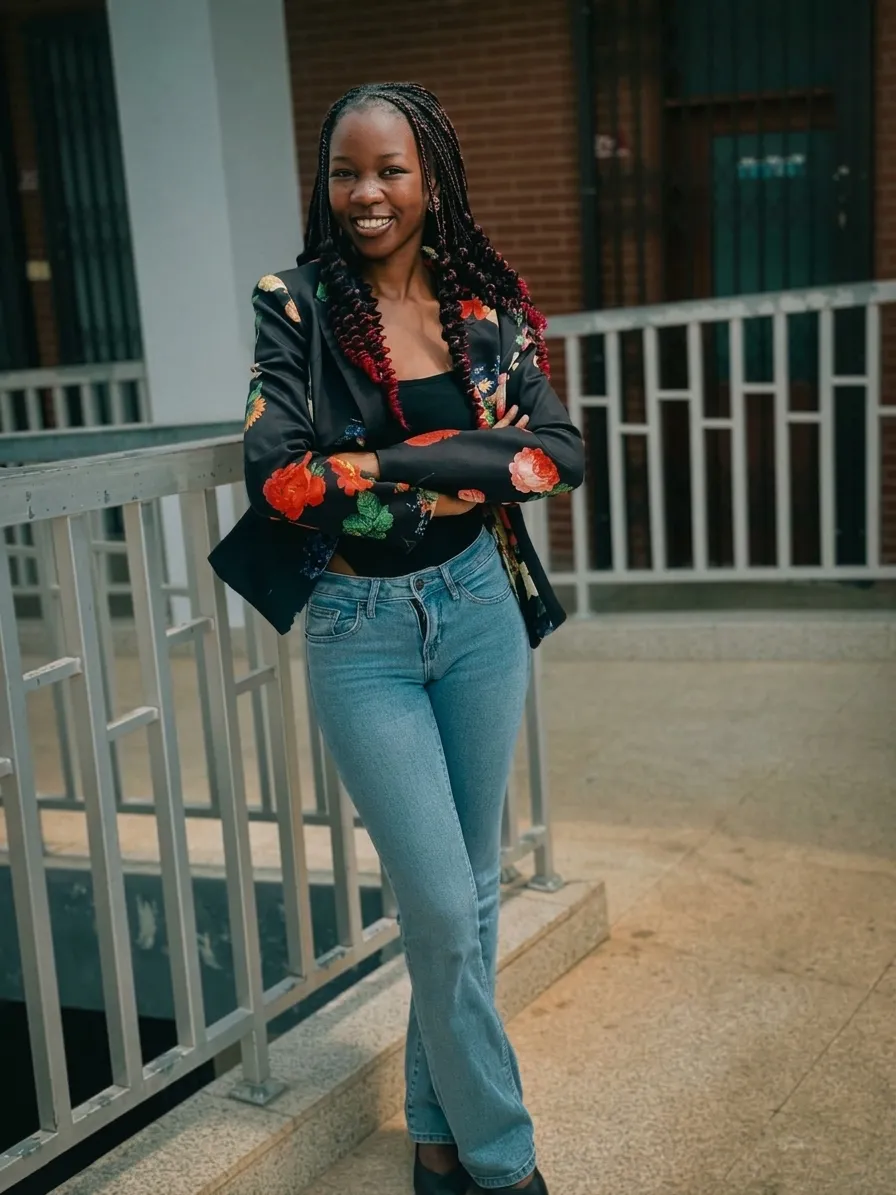
Ropafadzo Tambara
A final-year law student from Zimbabwe studying in Zambia, Ropafadzo Tambara went from fearing AI to making it her most trusted study partner. Her message to anyone left behind: the danger is not the technology — it is the refusal to adapt.
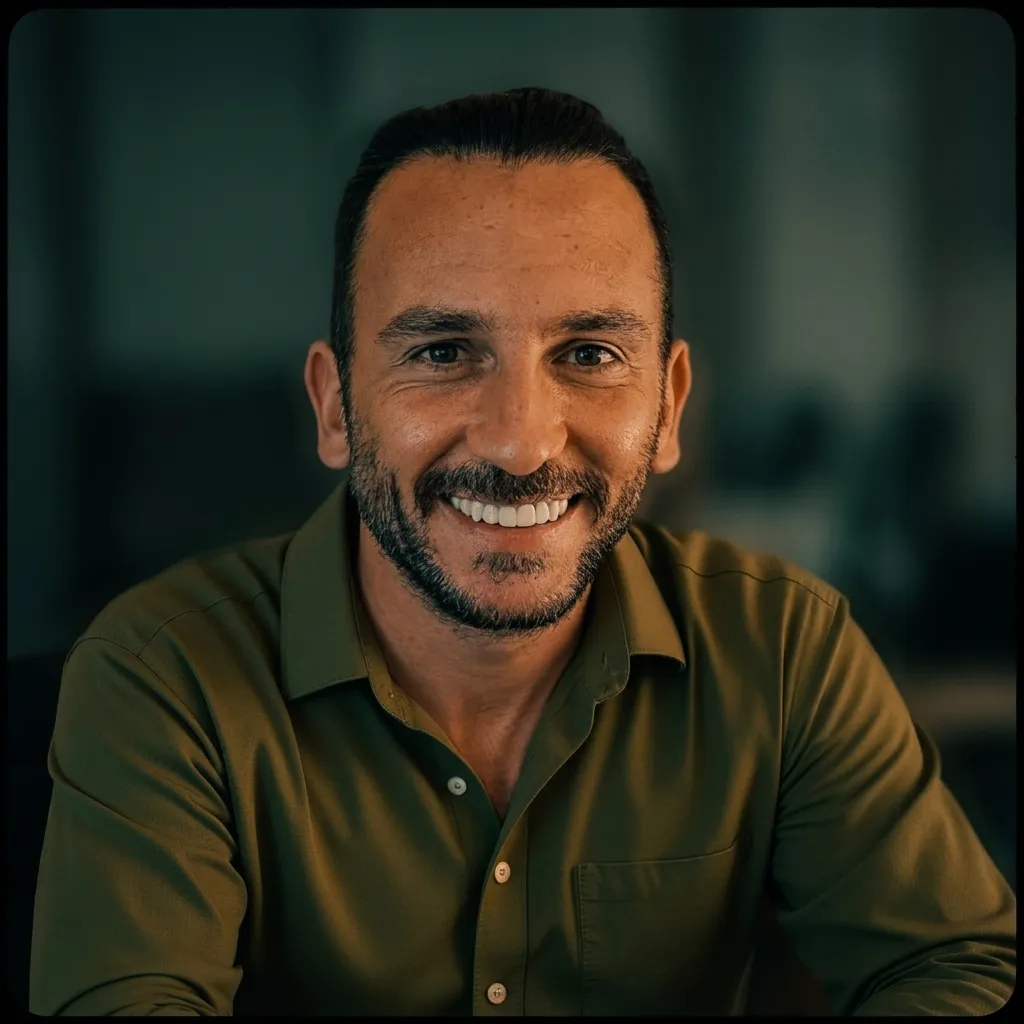
Erik Alvarez
From military service to mining country to tech project management, Erik Alvarez has always followed his instinct. When AI arrived, it didn't just make his work faster. It made things possible that weren't before.