self-custody
financial inclusion
Don't take things at face value. I gave up too easily in the beginning and looking back, I wish I'd pushed just a little harder.”
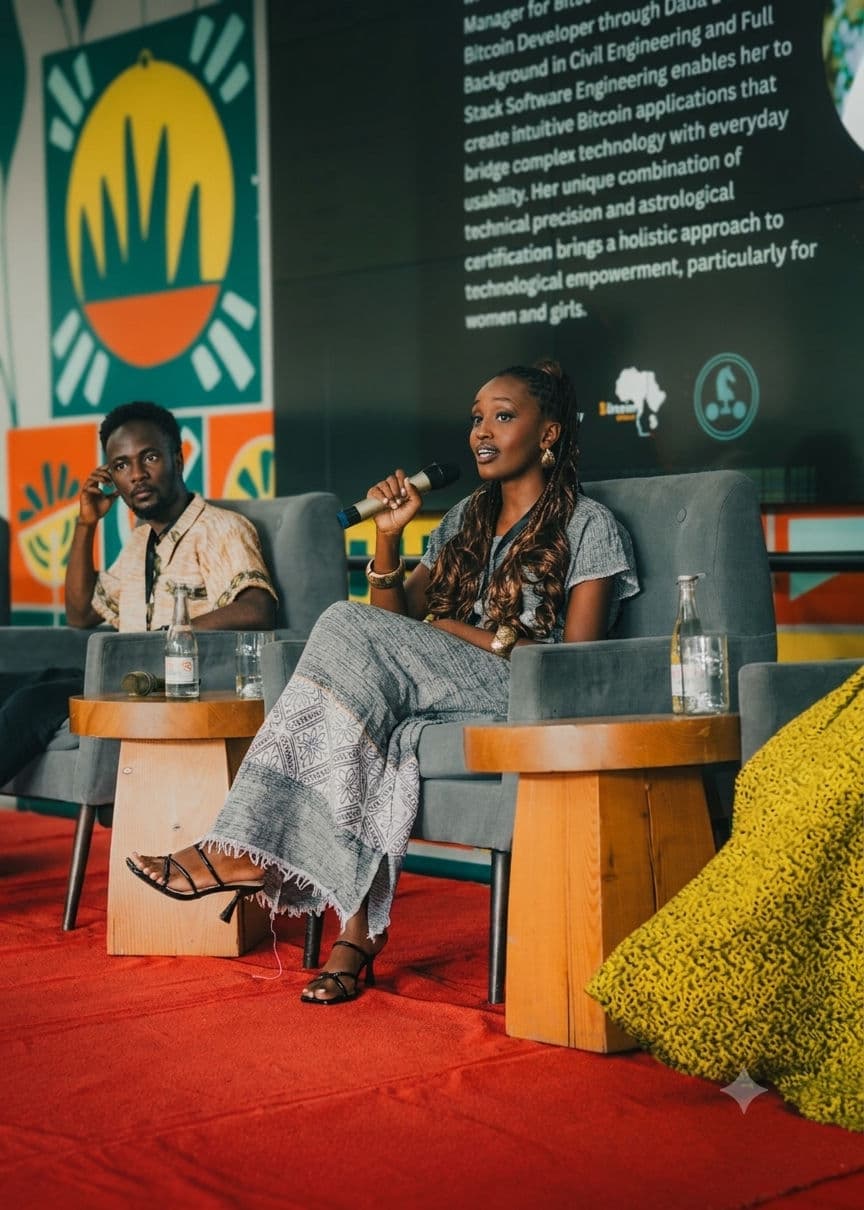
"They drove me crazy over a signature. 'It's different,' they said. 'You didn't put the full stop here.'"
Sabina Waithira remembers this like yesterday. She had stopped by her local bank in Nairobi to take out the last thirty dollars worth of Kenyan shillings in her account. Because her signature didn't perfectly match their system's exact record, the bank flagged it as a mismatch, a security failure, and froze the transaction, refusing to let her simply correct it. She left with nothing.
She recalls standing outside the branch thinking: it's my money. I worked for it. Not fully understanding what they wanted her to prove.
"I went from branch to branch and not one person could help me. They all said the same thing: sorry, there's nothing we can do."
Another time, a bank simply shut down my account. No warning, no reason. I woke up one morning and it was just gone.
The sudden friction Sabina faced is a lived systemic reality for everyday people across Kenya, where banking access remains conditional and rigid corporate policies can lock away funds without warning. "That's the feeling I've never been able to make peace with: being at the mercy of someone else to touch money I earned myself."
Her first exposure to Bitcoin came while she was still at university. A group visited the campus with an offer of exchanging a thousand shillings for Bitcoin. "A classmate handed over his school fees, then they vanished, changed their numbers, closed the office, gone." Sabina says. She didn't give them anything. But she went home and Googled it. "All I came away with was that it was some kind of digital money, and I thought, but M-Pesa is digital money. That's the mobile money we already use here. So I don't need this." She brushed it off.
She didn't think about it again until after university. She began working every gig she could find to make rent, from modeling, running her home décor business, and transcribing podcasts. By pure coincidence, the podcasts happened to be about crypto. Bitcoin continued to show up in her headphones, over and over.
"I thought, this thing is following me and maybe it's time I actually pay attention."
I learned that in Bitcoin you get to be your own bank. You're responsible for your own money. You have full ownership and control. That really spoke to me as an African and as a person who has had bad, bad, bad experiences with banks.
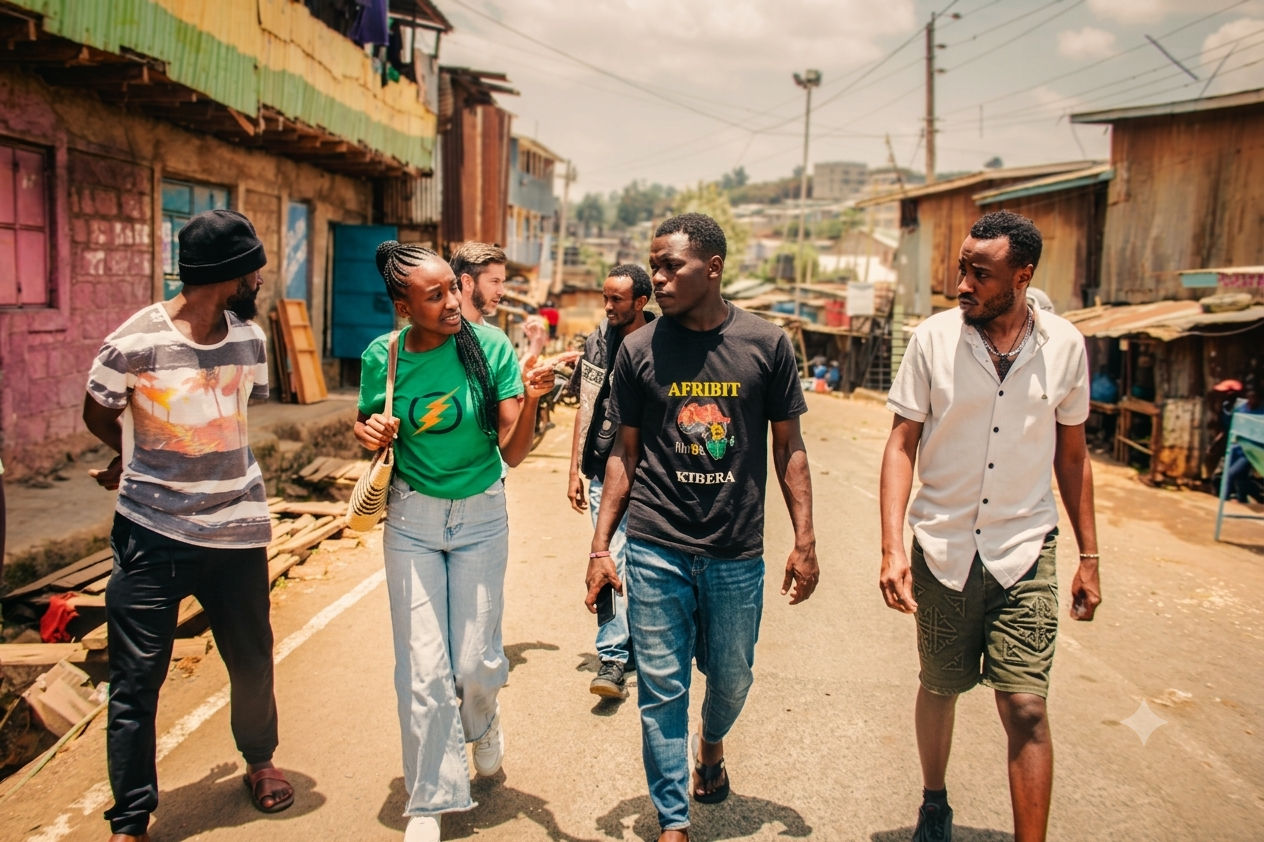
Everything changed when she met Jason, her co-founder and partner, who explained the technology differently than anyone had before. Soon after, she found Bitcoin Dada, a free education platform and community for African women in tech, where she took a job in marketing and began researching the ecosystem firsthand.
The realization triggered a profound shift in her perspective, stretching far beyond finance. "It felt like a spiritual awakening. I began seeing things through a different lens: the polyester in my clothes, the chemicals in my food, the greed behind all of it." She stopped buying into fast fashion and online shopping hauls, completely changing how she consumed. "Bitcoin helped me connect the dots and make better choices for the world that I want to see and the world that I want to live in."
Today, Sabina runs Tando, a platform bridging Bitcoin to the mobile money networks millions of Kenyans already use every day. She gets to build her company from home, deeply rooted in the country she loves.
"My mornings in Nairobi begin with a ritual. On a good day, it starts with the gym and a simple breakfast of boiled eggs and tomatoes. That's my go-to before I sit at my work desk to do my tasks from home and build."
There are still corners of her life that pull her back into the traditional financial world, but it is no longer where her wealth lives.
Don't take things at face value. I gave up too easily in the beginning and looking back, I wish I'd pushed just a little harder, because the answers were there the whole time, waiting for me to ask.
Explore more stories.
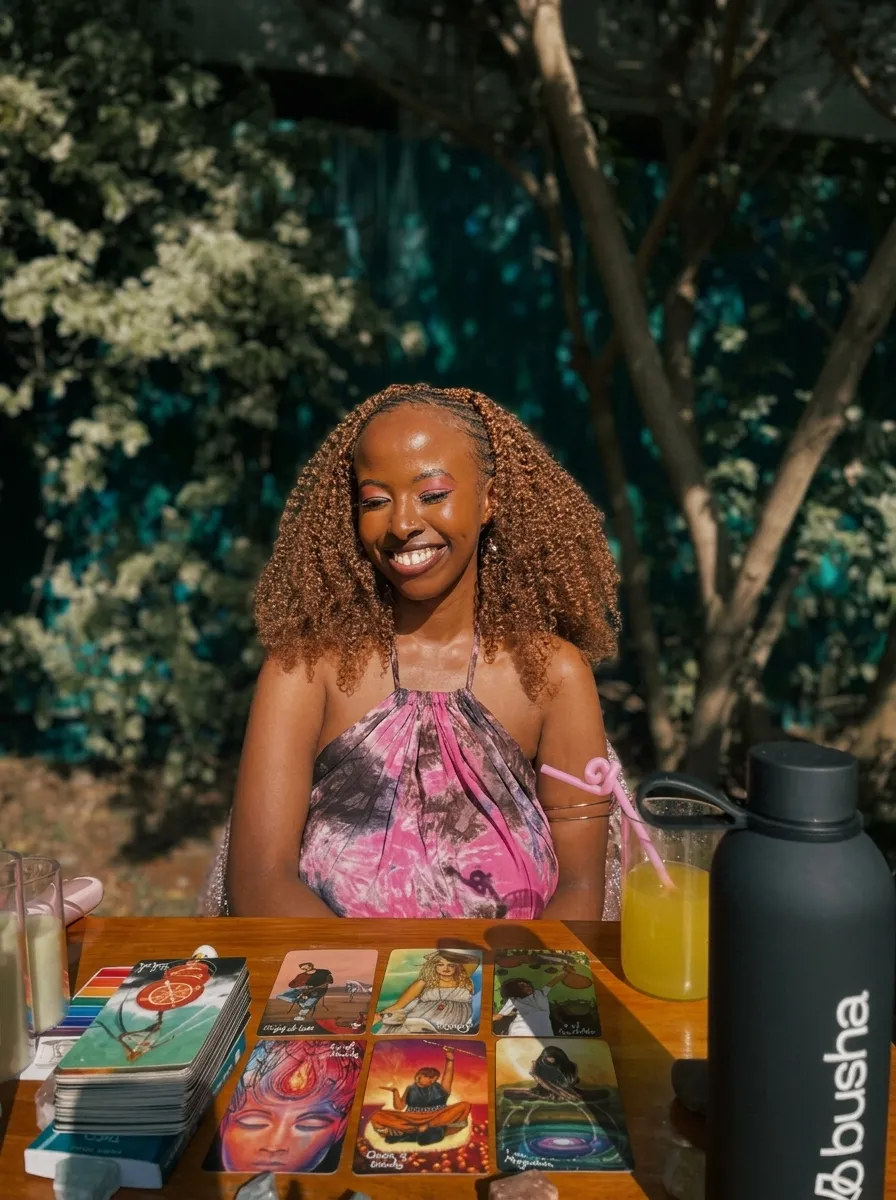
Wandia Mugo
Growing up in Nairobi, Wandia Mugo navigated a financial world dictated by urgency. When Bitcoin arrived in late 2024, it didn't just change how she got paid. It changed how she understood money, freedom, and herself.
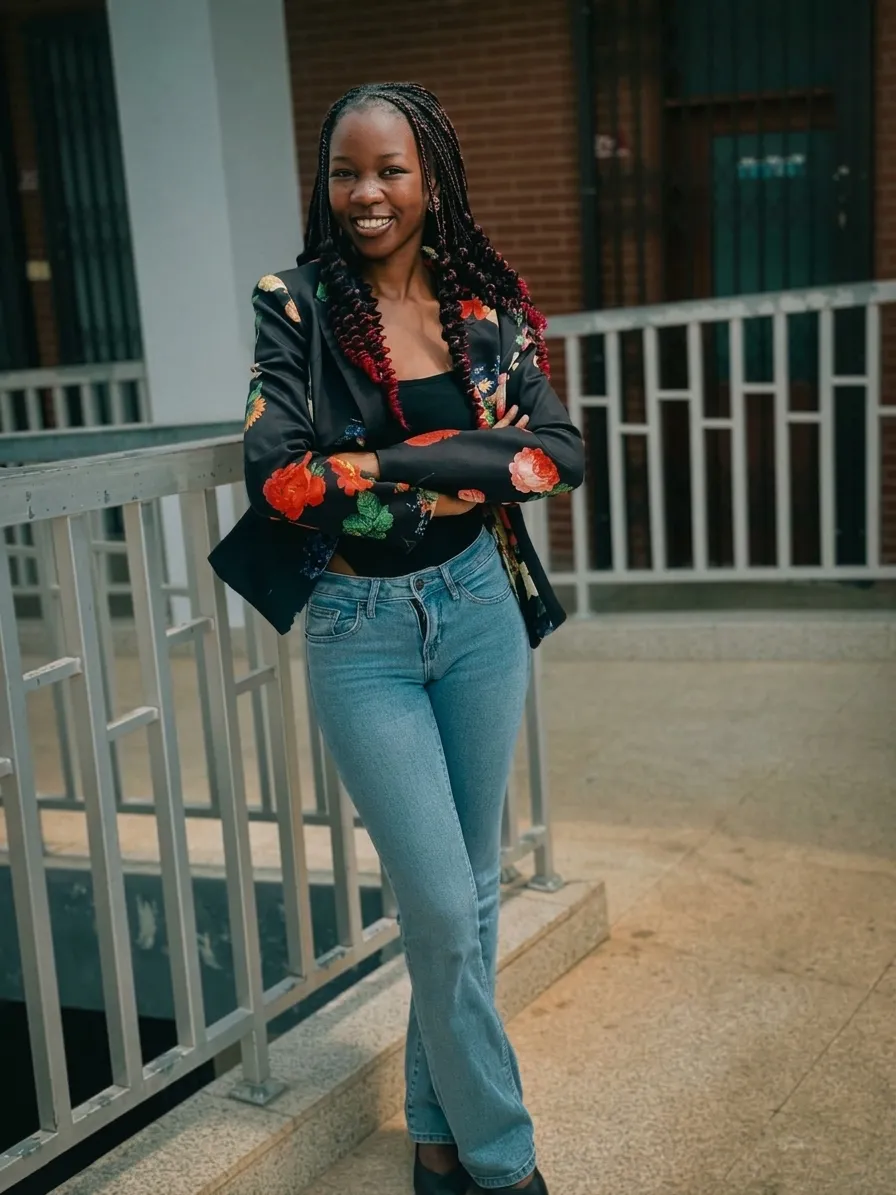
Ropafadzo Tambara
A final-year law student from Zimbabwe studying in Zambia, Ropafadzo Tambara went from fearing AI to making it her most trusted study partner. Her message to anyone left behind: the danger is not the technology — it is the refusal to adapt.
Erik Alvarez
From military service to mining country to tech project management, Erik Alvarez has always followed his instinct. When AI arrived, it didn't just make his work faster. It made things possible that weren't before.