financial privacy
self-custody
Save as much as you can. And if you can, save in Bitcoin. The world is evolving.”

Everything paused when she found out she was having a son.
Rose, a fashion and interior design student at the Nairobi Institute of Technology, took an unexpected path back home to Matangi, a small area in Ruiru, Kenya, after learning about her pregnancy. A year after her son arrived, she found herself looking for a different way forward.
A friend who lived on the second floor of her apartment building told her about a program for young mothers, offering lessons in baby nutrition, business skills, and something called Bitcoin. "That was the first time I heard about Bitcoin, so I did my research, I looked it up, even turned to AI to understand it better, and it gave me a clear explanation."
BTC Babies was accepting applications for its second cohort. If accepted, each mother would receive $5 in bitcoin weekly to help purchase basic necessities, and a discount at their local health clinic, while building their own sense of financial autonomy. Rose's friend encouraged her. "She was like, 'Let's go give it a try.'" She trusted her friend. They both applied and got in.
Joining this new community of mothers opened her up to a different world. "With Bitcoin, there's a lot to learn," Rose says.
I'm able to control my money without anybody controlling it for me. I don't need approval.
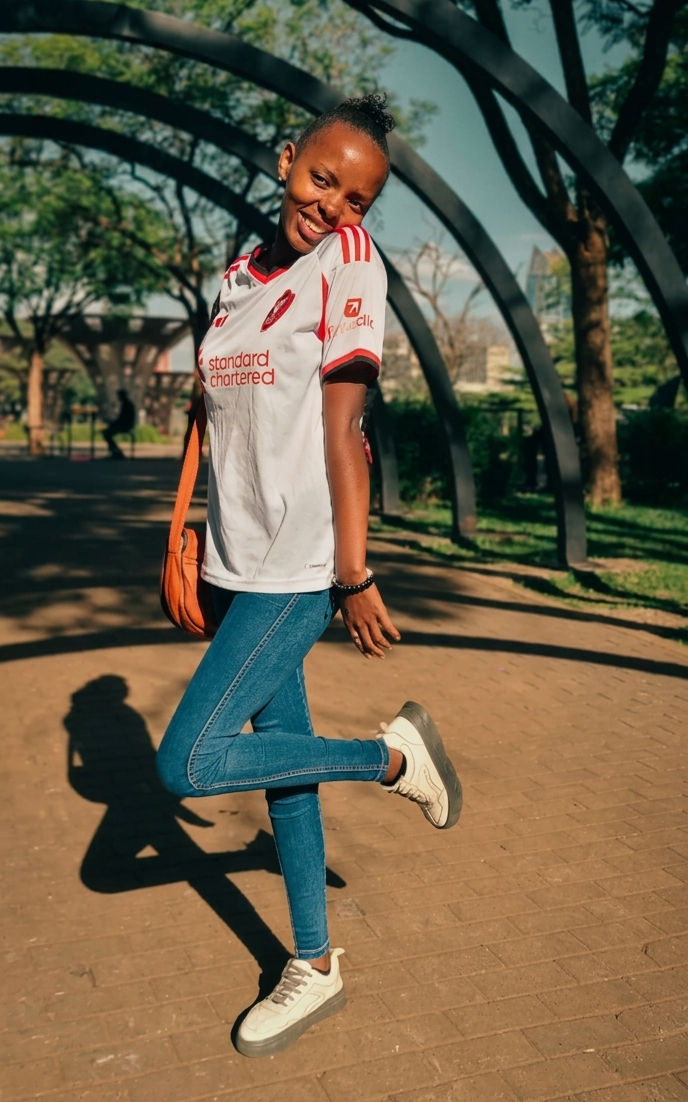
"In Kenya, there's a lot of procedures to access your money, but with Bitcoin," she found, "just smooth transactions."
The first time she paid with Bitcoin, she was at a local supermarket that accepted it. All she needed was internet access. The transaction completed in under a minute. Rose stood there thinking about life before that moment, and before BTC Babies: the transactions that never settled on the other end, being told she hadn't paid while the money was already gone from her account, standing there trying to explain something she couldn't prove. Bitcoin was the opposite of all that.
She didn't just notice the speed. "When you pay the usual way and the message goes through, it usually shows your balance." With Bitcoin, the other person only sees one word: Confirmed.
What's in your account stays in your account.

For Rose, traditional mobile money like M-Pesa carried a hidden cost beyond the fees. Every payment meant giving away a piece of herself. Every transaction broadcast her full name, phone number, and account balance. While Safaricom finally rolled out phone-number masking updates in 2026, the fix only proved how real and dangerous that privacy gap had been for years. Bitcoin offered an alternative: to pay merchants without handing over her identity.
Today Rose is 21, a full-time mother, and part of a thriving community. Her son is almost two, a beautiful reminder of the path that led her there. Beneath the routine of their days together, the world is full of possibilities; she is applying for new opportunities, actively learning, watching, and building a new way forward.
Save as much as you can. And if you can, save in Bitcoin. The world is evolving. You'll have more benefits on that side.
Explore more stories.
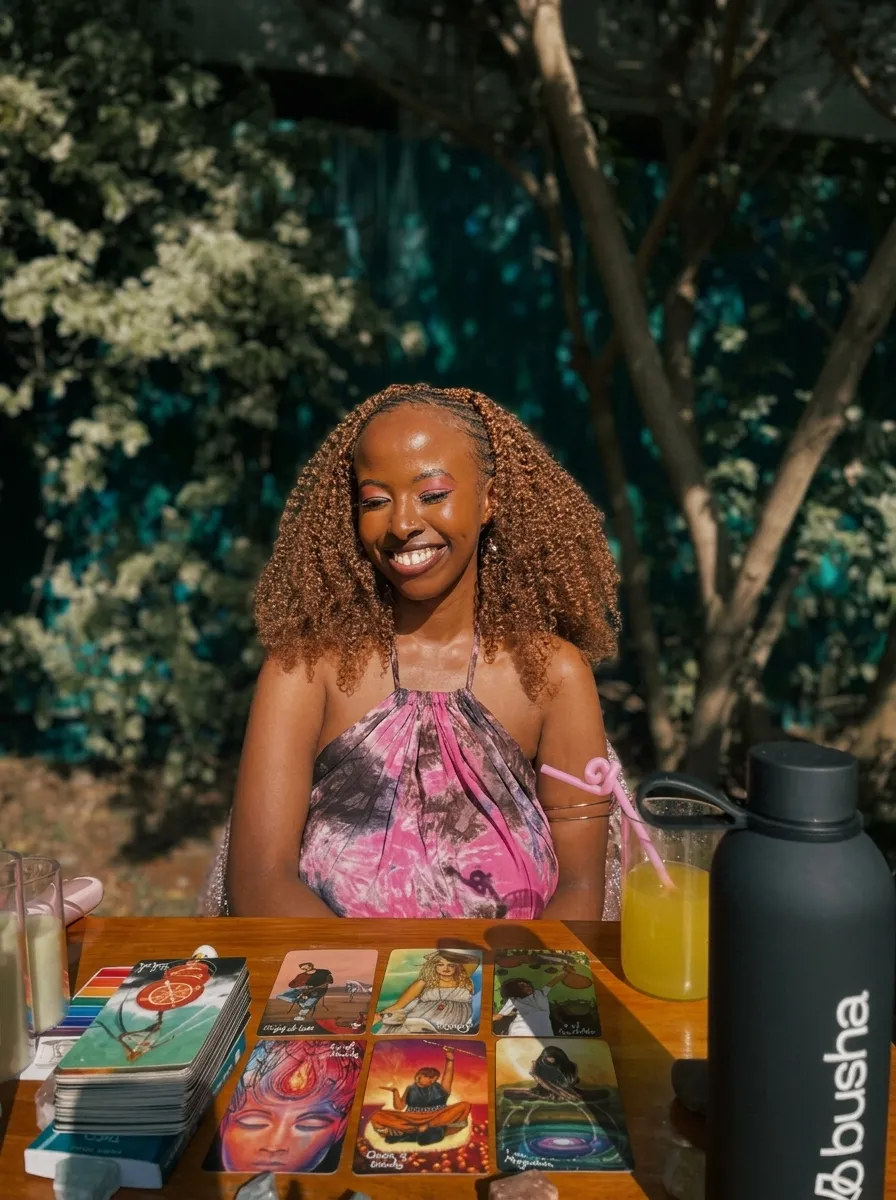
Wandia Mugo
Growing up in Nairobi, Wandia Mugo navigated a financial world dictated by urgency. When Bitcoin arrived in late 2024, it didn't just change how she got paid. It changed how she understood money, freedom, and herself.
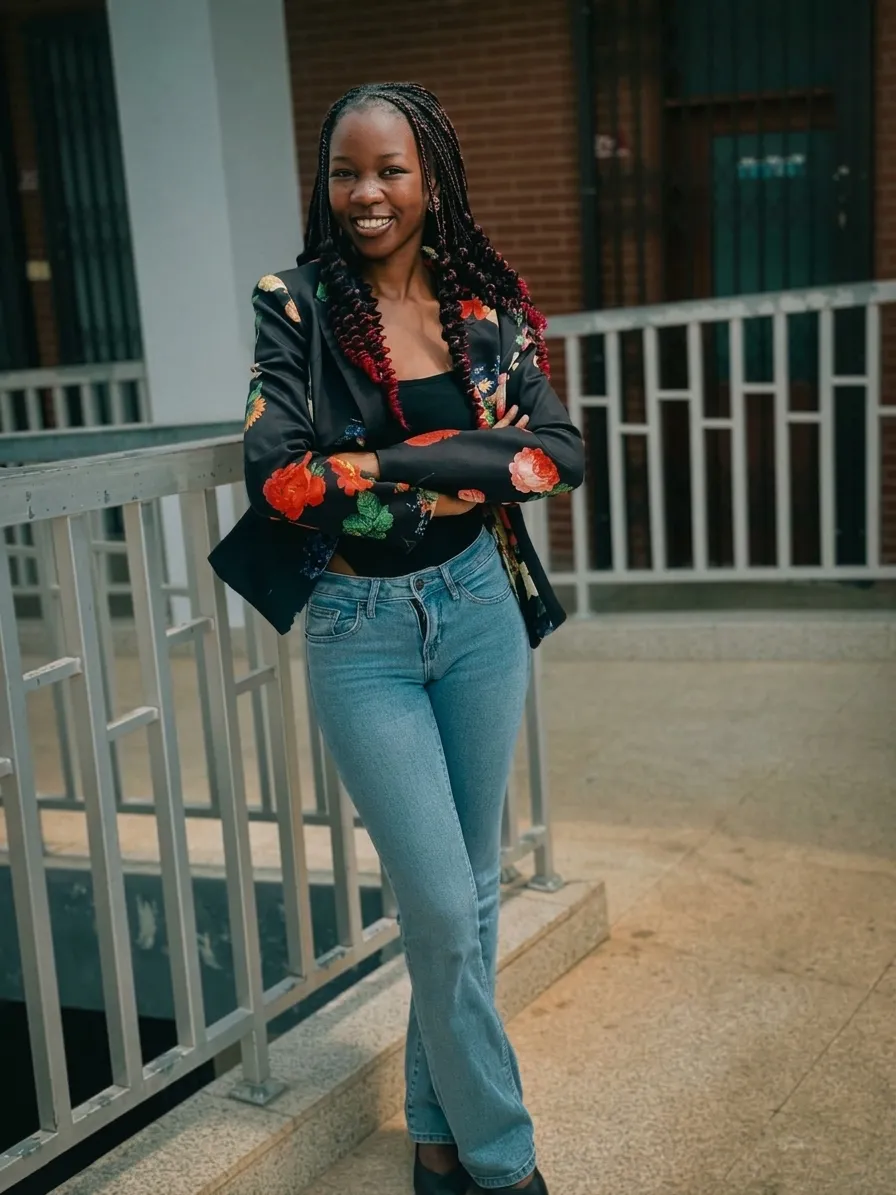
Ropafadzo Tambara
A final-year law student from Zimbabwe studying in Zambia, Ropafadzo Tambara went from fearing AI to making it her most trusted study partner. Her message to anyone left behind: the danger is not the technology — it is the refusal to adapt.
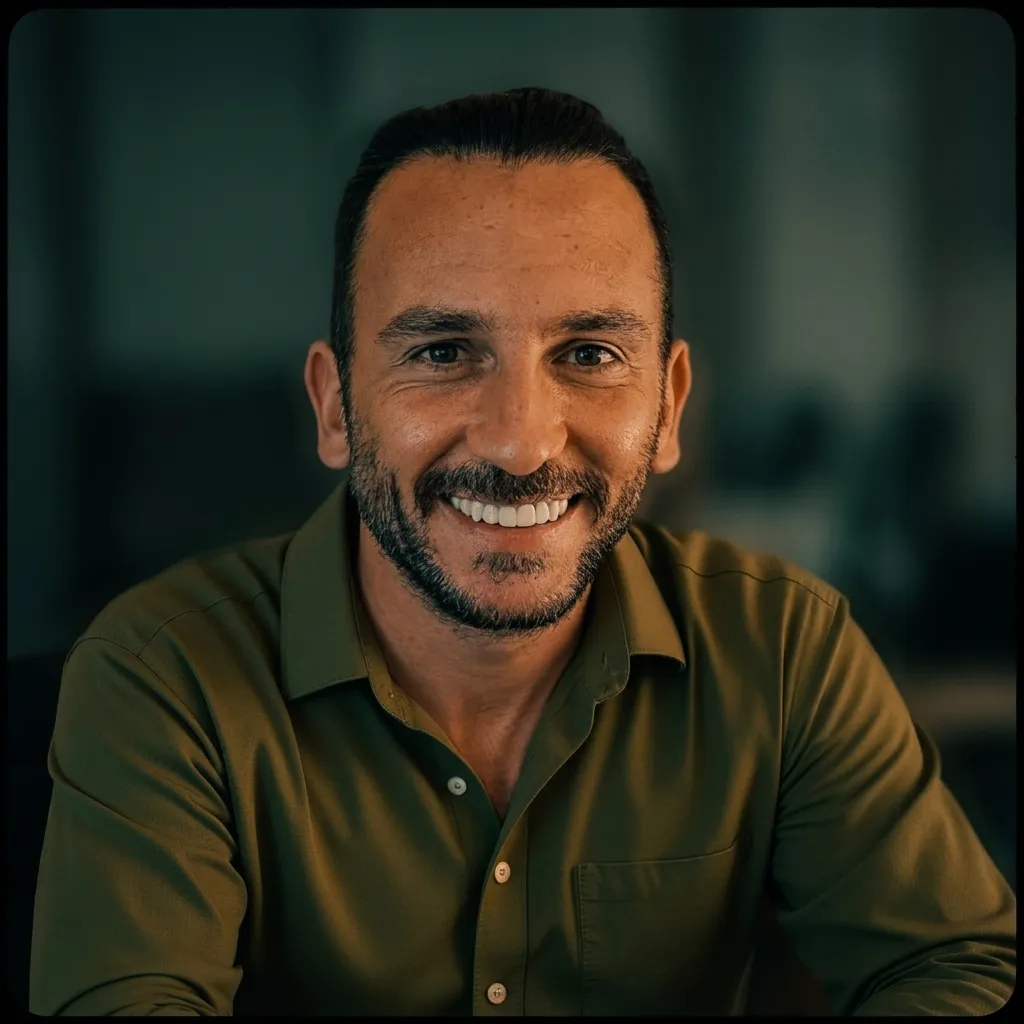
Erik Alvarez
From military service to mining country to tech project management, Erik Alvarez has always followed his instinct. When AI arrived, it didn't just make his work faster. It made things possible that weren't before.