human rights
lifelong learning
Do not be afraid of technology. Be willing to explore it.”
.jpeg&w=3840&q=75)
Farida has lived a public life. As an activist, human rights defender, and now an entrepreneur, she has invested two decades into advancing democracy and human rights across Africa. She has been interviewed enough times to know exactly what questions are coming. Yet, when asked about Artificial Intelligence, something shifts and she leans in.
"Before AI, it was just the regular way we do things," Farida says. "But the 'after' makes you realize that your 'before' was less effective and less efficient."
For Farida, the introduction to AI arrived gradually, pulling her from one discovery to the next. What began as a tool that made daily tasks easier quickly expanded the limits of her world.
"It started with curiosity. I discovered 'vibe coding' and realized I could build apps, build websites, build products."
AI doesn't make you work less, in my case, it makes me work more. It has broadened the space of my possibilities.
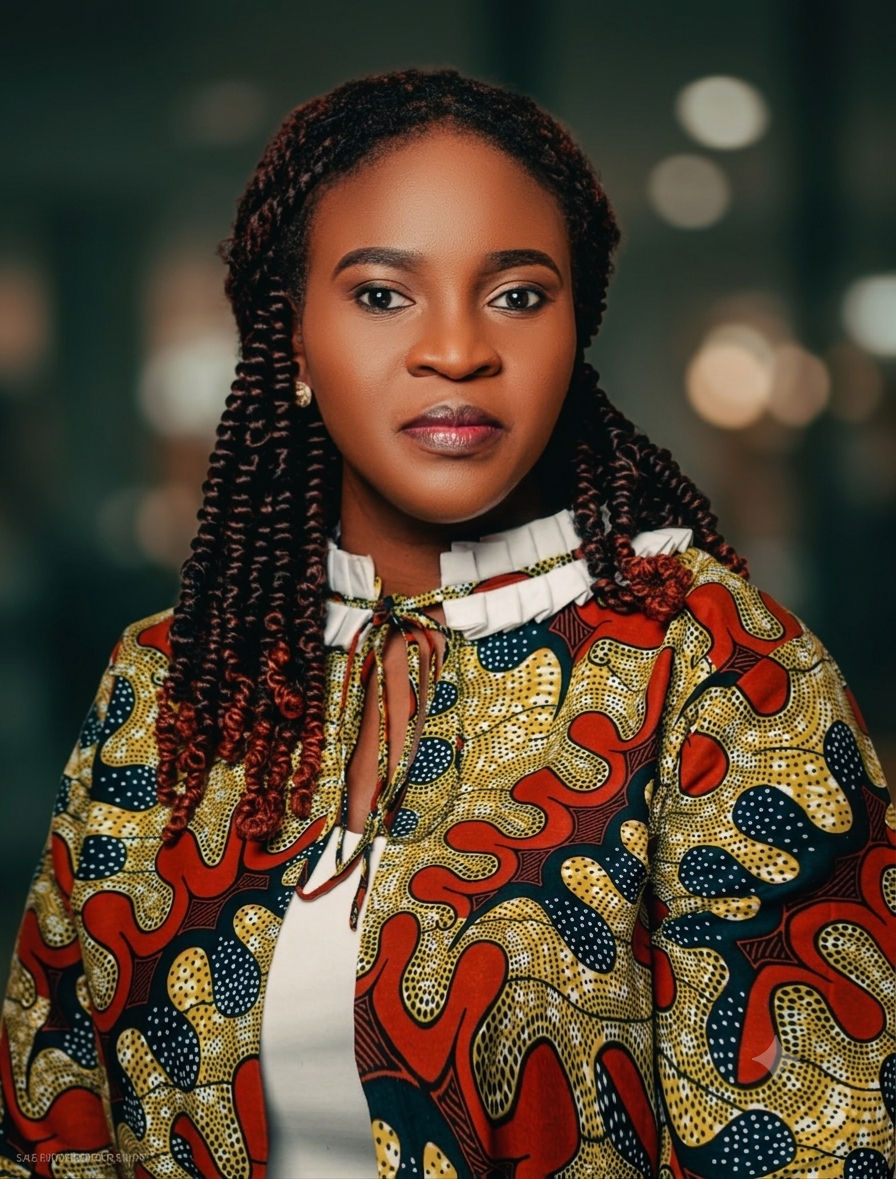
Before AI entered her work, she remembered the old model of doing things: choose a specialty, major in one field, and become an expert in one thing. Now she observes AI dismantling that entirely.
"AI literally helps you become a superhuman that is no longer just specialized on one thing, but can do a lot of things in a variety of sectors," she says. "You can outsource knowledge; you can outsource expertise. You learn faster, and you learn better. I now have the capacity to do things I couldn't do before."
Then, her exploration took a turn and did something she had not planned for.
It brought me back to my childhood. Physics was my core passion as a kid, but I had put my focus on politics and human rights for twenty years. With AI, I didn't have to go back to college; AI literally became my tutor.
.jpeg)
"I'm now venturing into quantum technology and quantum physics, embracing something that has absolutely nothing to do with what I've been doing for the past two decades."
This shifted how she moves in the world, even in her everyday life. While preparing for a recent construction project, with zero background in architectural engineering, she was able to use AI to get a complete technical walkthrough of the project. "I got the measurements, the materials, everything," she says. "When the delivery came, I could hold people accountable. I could look at the work and say, 'This is not good enough.' It brings a bit more honesty to the world because you are no longer limited by what someone tells you."
For Farida, the technology is not a replacement for humanity, but a repository of everything we have ever known, a "global dictionary" made affordable and accessible. As she continues to venture into digital infrastructure and quantum technology, she offers a piece of advice to those still hesitant to dive in.
"Do not be afraid of technology. Be willing to explore it," she urges. "Some people have a very finite way of looking at technology, but they don't realize it is an entire spectrum, a repository of vast knowledge from all the humans that existed before us, available at a very affordable rate. So why not use that?"
Ultimately, she does not see herself as someone who merely adapted to a new tool, but the opposite.
You don't adapt to the technology. The technology adapts to you as a human.
Explore more stories.
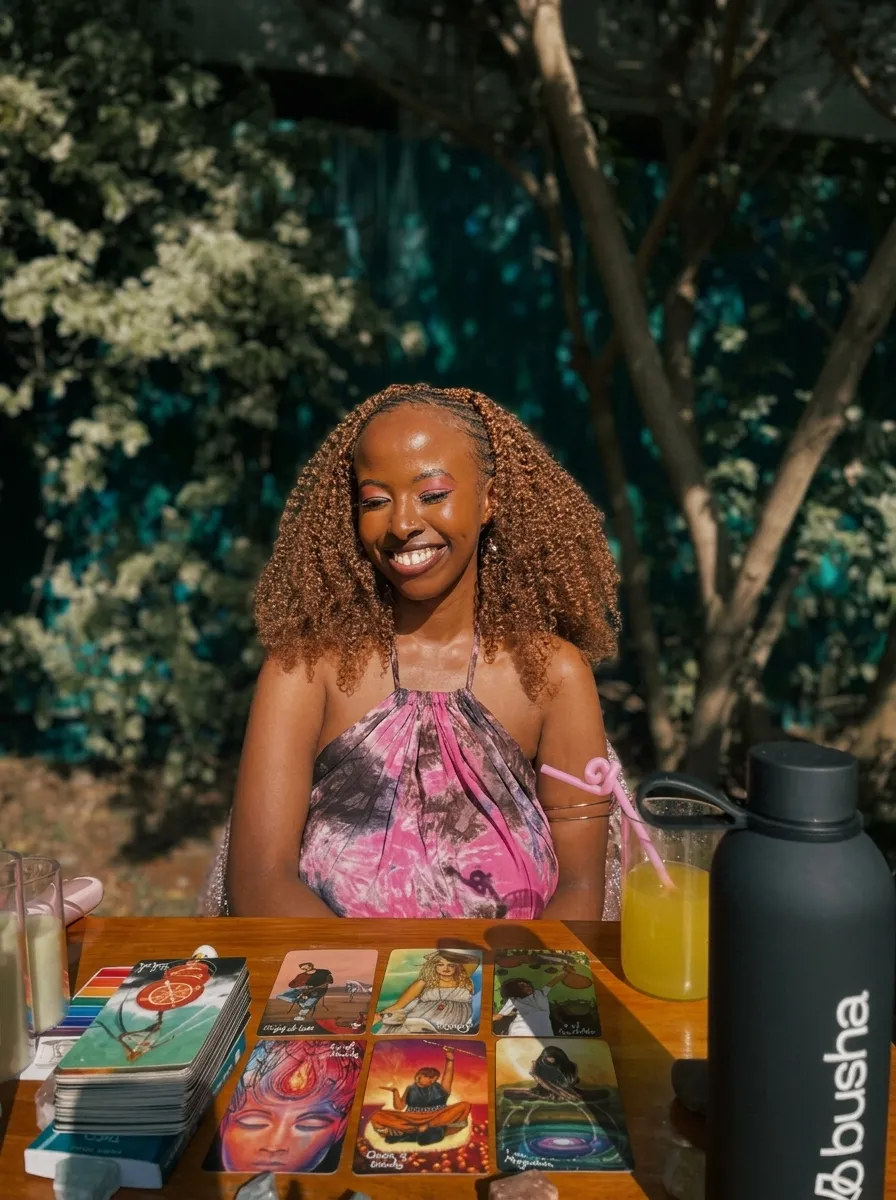
Wandia Mugo
Growing up in Nairobi, Wandia Mugo navigated a financial world dictated by urgency. When Bitcoin arrived in late 2024, it didn't just change how she got paid. It changed how she understood money, freedom, and herself.
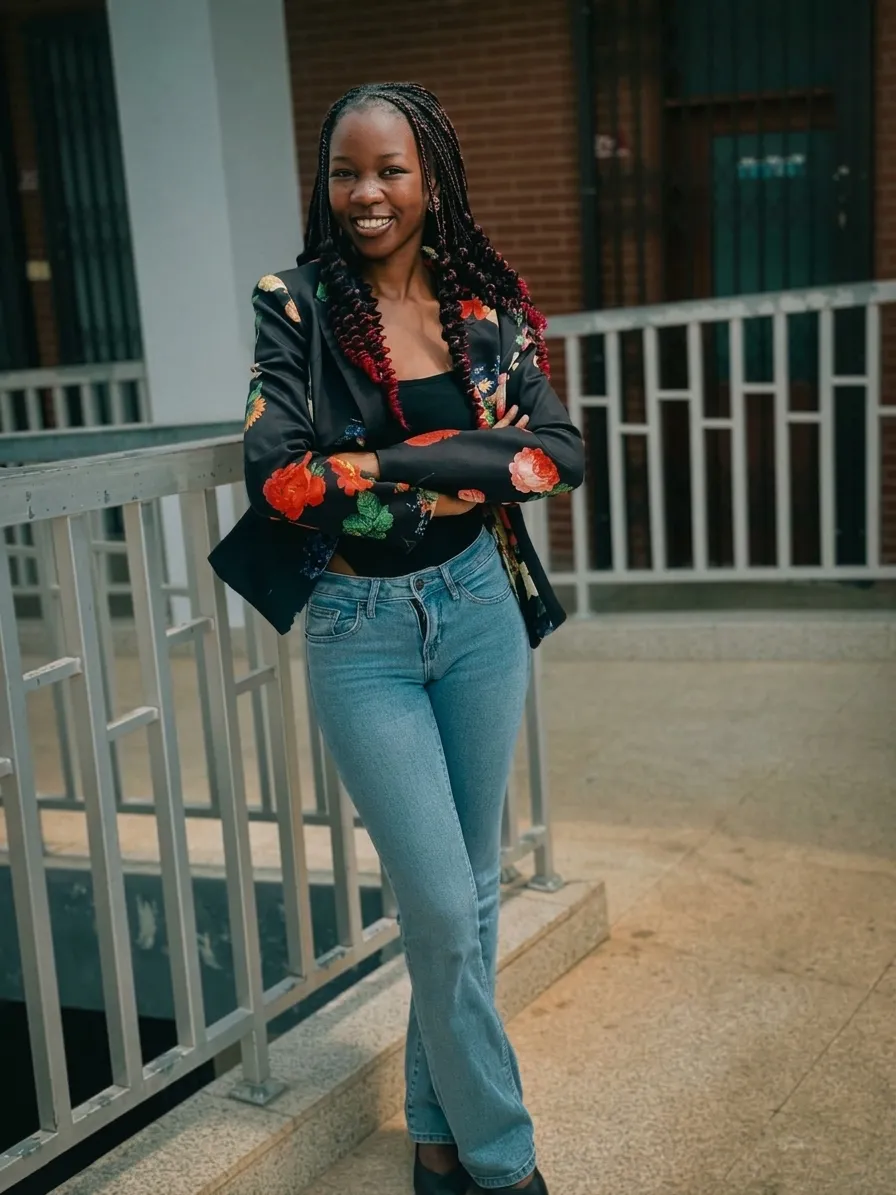
Ropafadzo Tambara
A final-year law student from Zimbabwe studying in Zambia, Ropafadzo Tambara went from fearing AI to making it her most trusted study partner. Her message to anyone left behind: the danger is not the technology — it is the refusal to adapt.
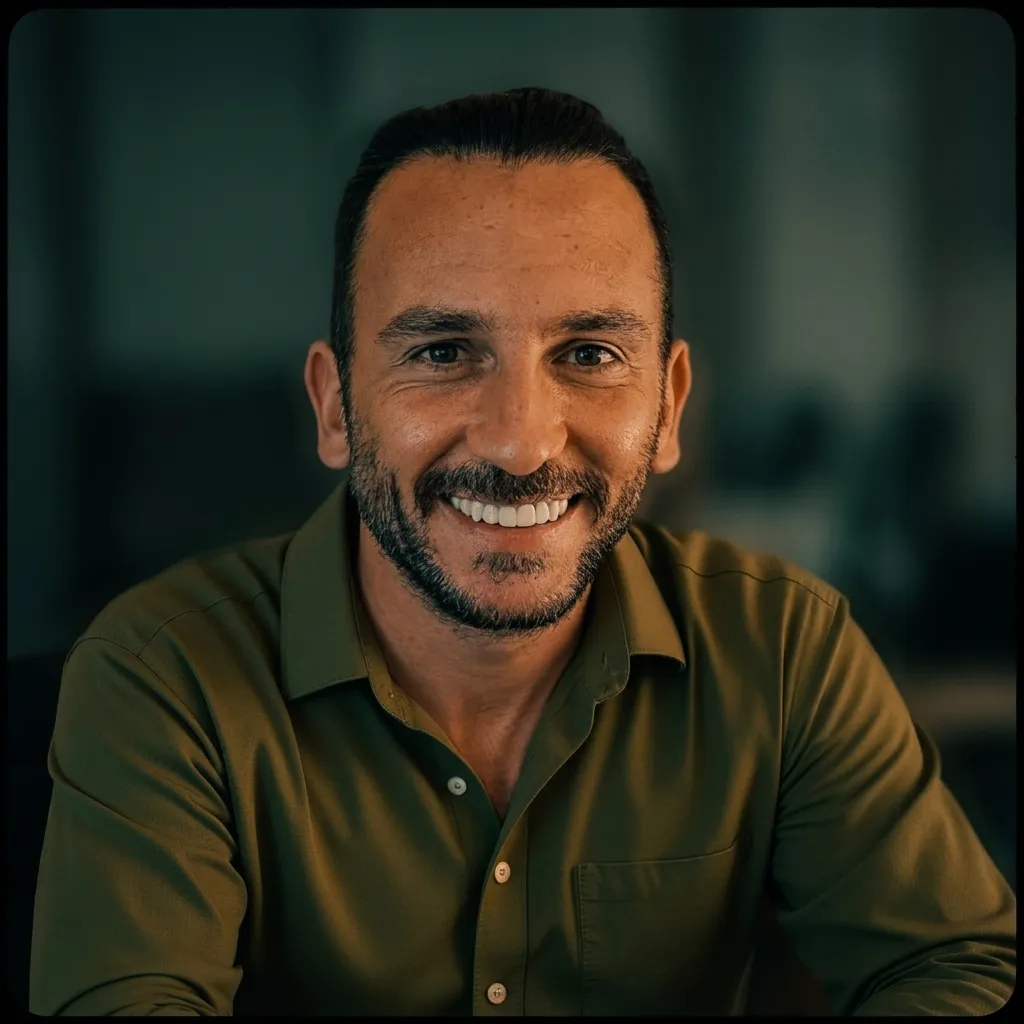
Erik Alvarez
From military service to mining country to tech project management, Erik Alvarez has always followed his instinct. When AI arrived, it didn't just make his work faster. It made things possible that weren't before.